After treatment
Instructions after surgery – Infants
The goal is for the frenulum to heal and reform as low as possible after surgery. That’s why it’s important to regularly stretch the baby’s tongue and/or lip frenulum during the first weeks after surgery.
Start the stretches the same evening the surgery is performed and repeat them 4–6 times a day for 3 weeks.
It’s best that no more than 6 hours pass between stretches, at least for the first 2–3 days.
The best position is at the baby’s head, for example on a changing table, bed, or sofa. We recommend wearing gloves or at least having clean hands and short nails. A headlamp is also useful to see better inside the baby’s mouth.
Tongue-tie
To stretch the tongue frenulum, lift the tongue up and back with both index fingers. You should see a white diamond-shaped wound. Hold the stretch for about 6–10 seconds. There may be slight bleeding during the first one to two days, this is normal.
The most important thing is to open the diamond-shaped wound, both under the lip and under the tongue. If you feel the wound is tightening, you need to pull a little harder to open it more. There may be slight bleeding.
Note that the wound can become yellowish and shiny, this is normal healing for a wound in the mouth. Do not try to clean it off.
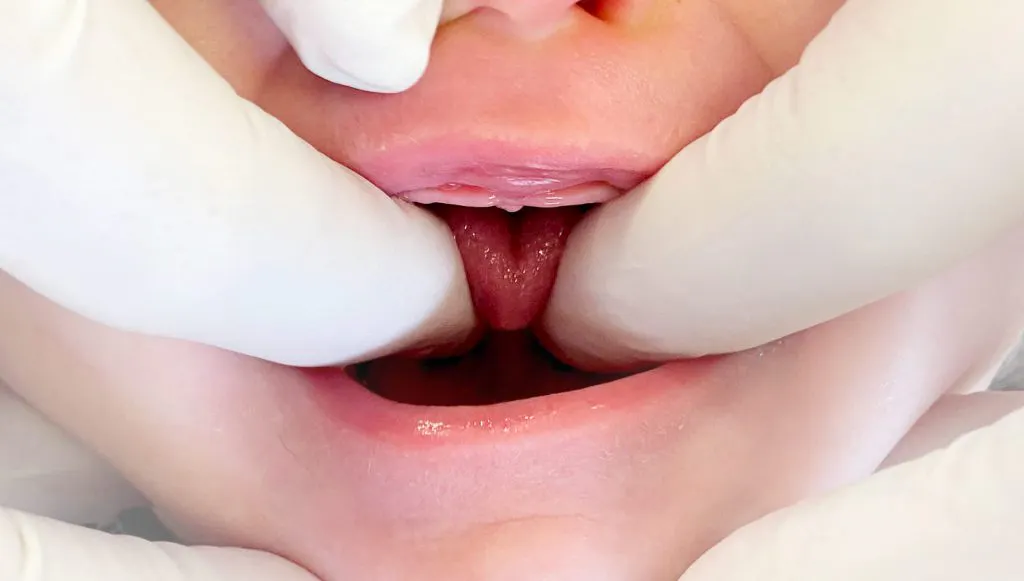
Lip-tie
To stretch the lip frenulum, place both index fingers all the way under the lip and lift it as high as possible so that it goes over the nose and you see the diamond-shaped wound. There may be slight bleeding during the first one to two days, this is normal.
After a lip-tie procedure the lip may swell that evening and the following day. This is normal and usually resolves within one to two days.
Note that the wound can become yellowish and shiny, this is normal healing for a wound in the mouth. Do not try to clean it off.
Good advice
Between stretches it is good to play with the baby’s mouth to reduce the risk of aversion. Tickle the lips and palate and let the baby suck on your finger. Make sure your hands are clean and free from soap residue or hand sanitizer.
It is good for the baby to spend as much time as possible on their stomach. This helps stretch the tissues in the neck and strengthens the head and neck area. On the site tummytimemethod.com you can find good advice about this.
We recommend seeking help from a lactation consultant after the surgery if the baby is breastfeeding, at least if difficulties are still present.
Sometimes breastfeeding improves immediately after surgery but more often it improves gradually. Often there is one better feed the first day, two the next day, and so on.
It is advisable to have pain relief available for the baby during the first one to two days after the surgery if needed. Paracetamol suppositories and mixture are available. Children six months and older who weigh eight kg or more can also be given ibuprofen mixture. If the baby is restless, carefully check the dosage of pain medication and give the full dose according to the instructions.
A follow-up takes place one week after the surgery to check if the frenulum is healing as well as possible. If you have any concerns, you can contact the dentist by phone. Outside office hours you may email hallur@tannalfur.is or petra@tannalfur.is
Instructions after surgery – Older children and adults
The goal is for the frenulum to heal and reform as low as possible after surgery. That’s why it’s important to do regular exercises to stretch the tongue frenulum during the first weeks after surgery.
If the wound is without stitches – start exercises the day after surgery.
If the wound was stitched – start exercises 3–4 days after surgery.
Repeat the exercises 10–15 times, 4–6 times a day during the first week and at least three times a day for the next 20 days.
In the case of children, it is good to start the exercises a few days before surgery so that the children experience them without the pain that can follow after surgery.
1st exercise
Tongue movements
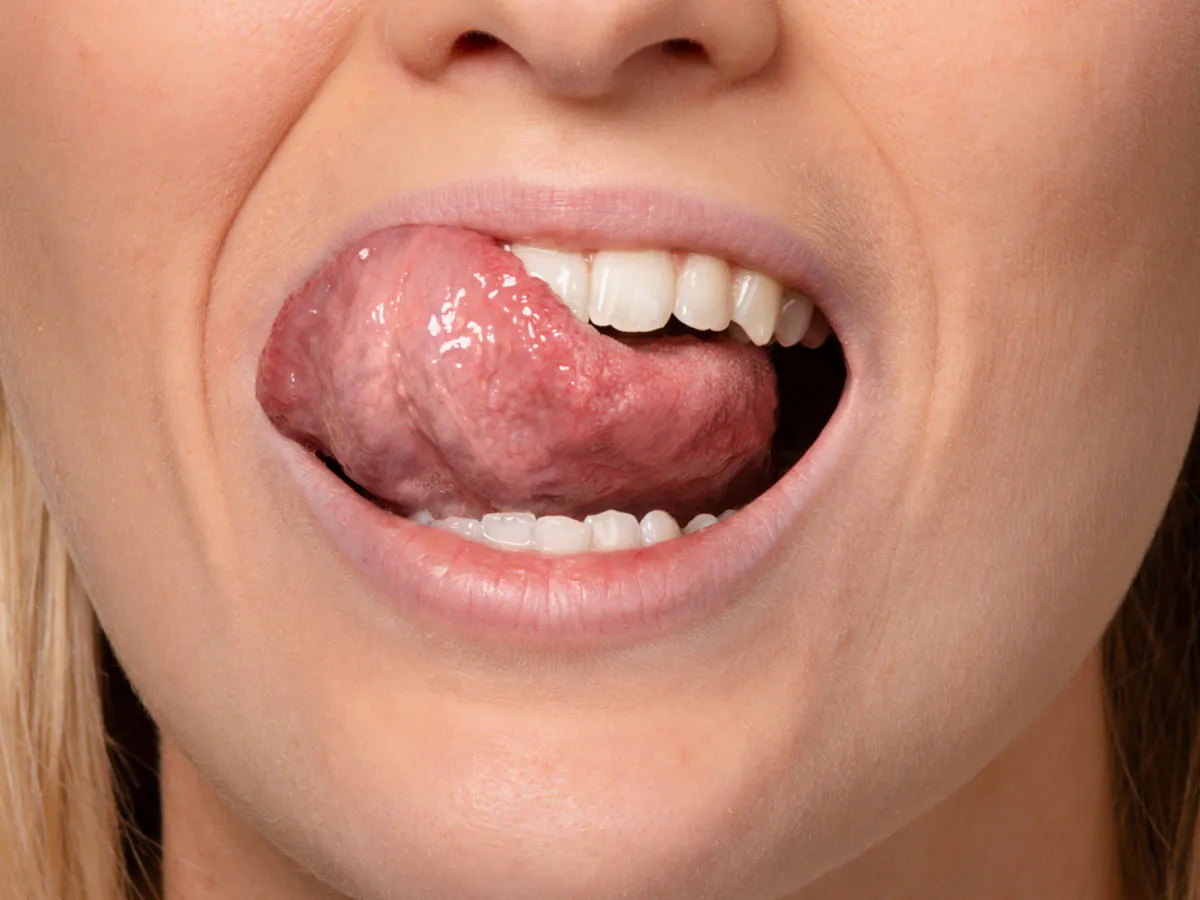
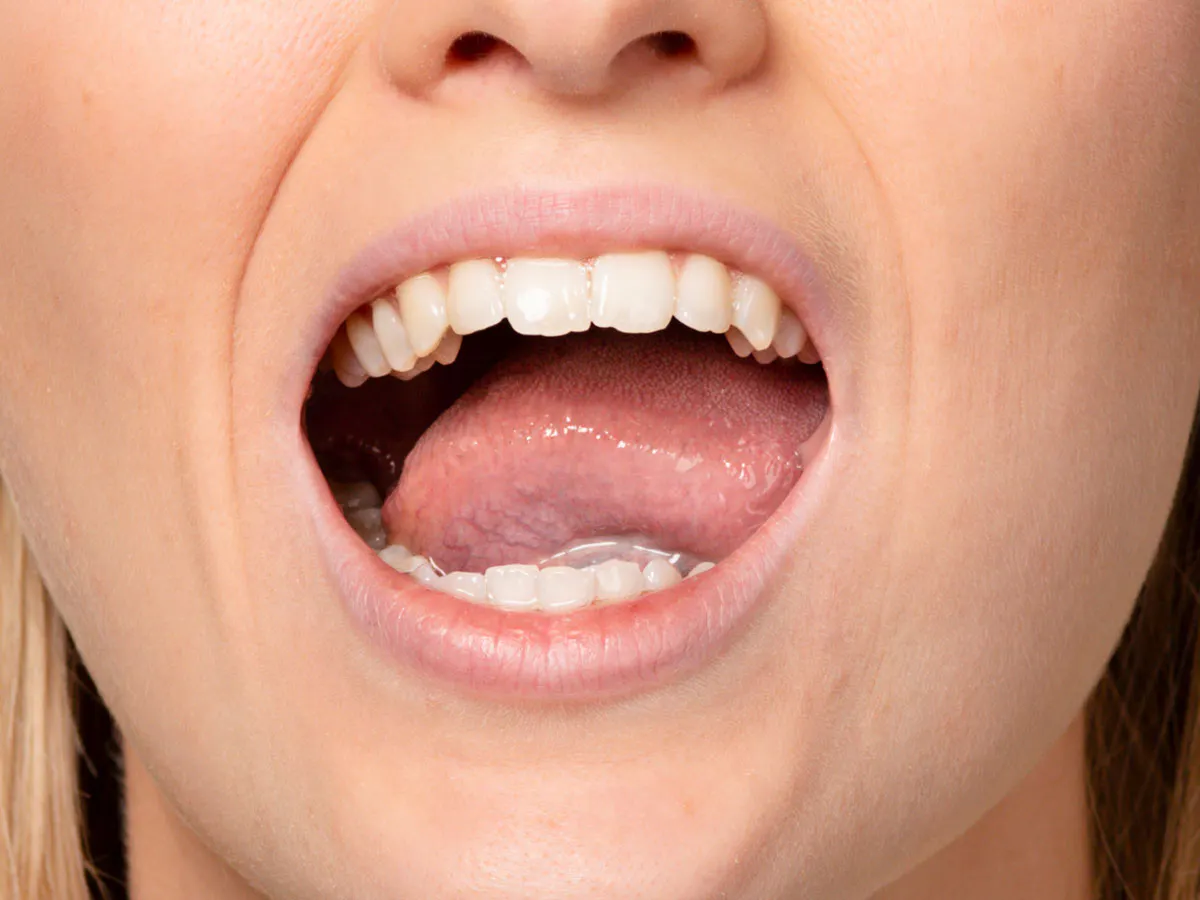
Open the mouth wide, stick out the tongue and make sure it does not touch teeth or lips. Keep the jaw steady. Move the tongue slowly in and out, up and down, and side to side.
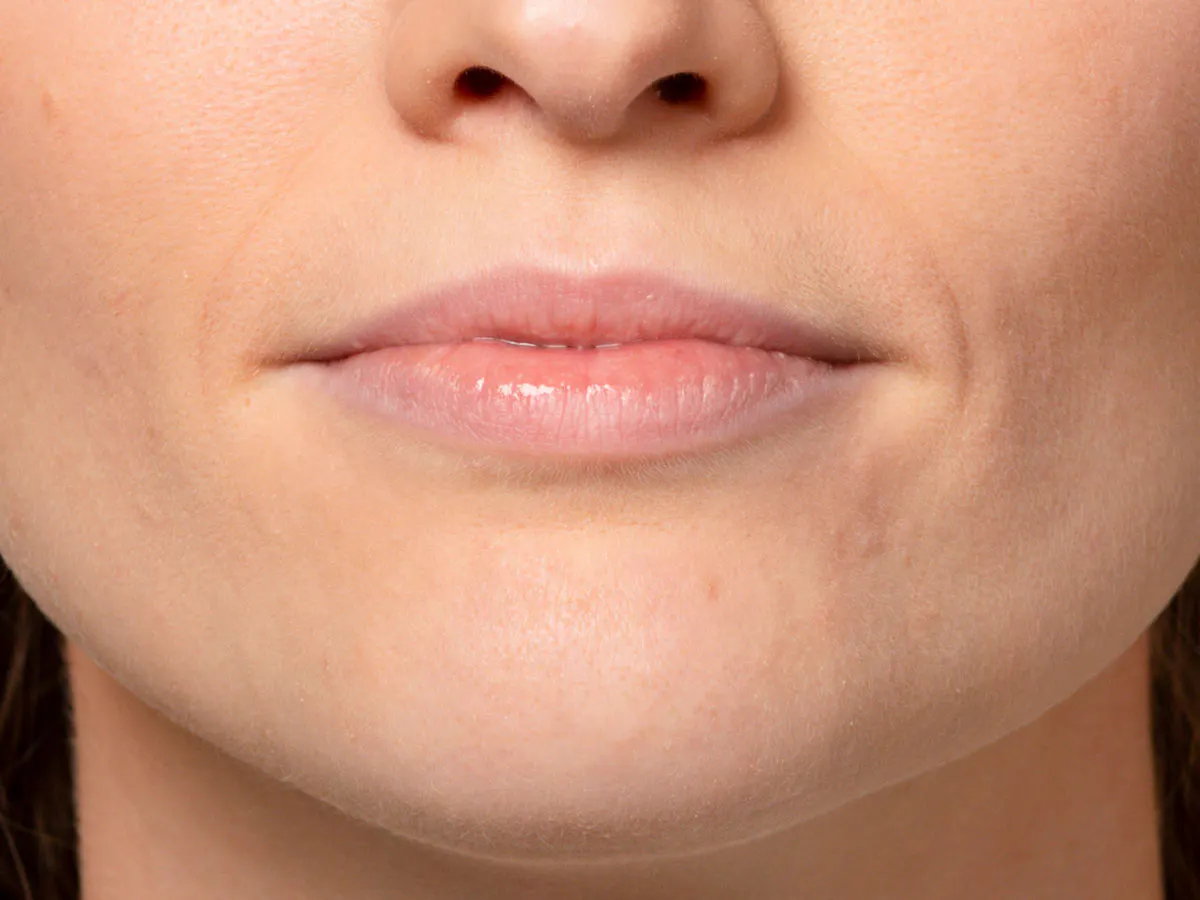
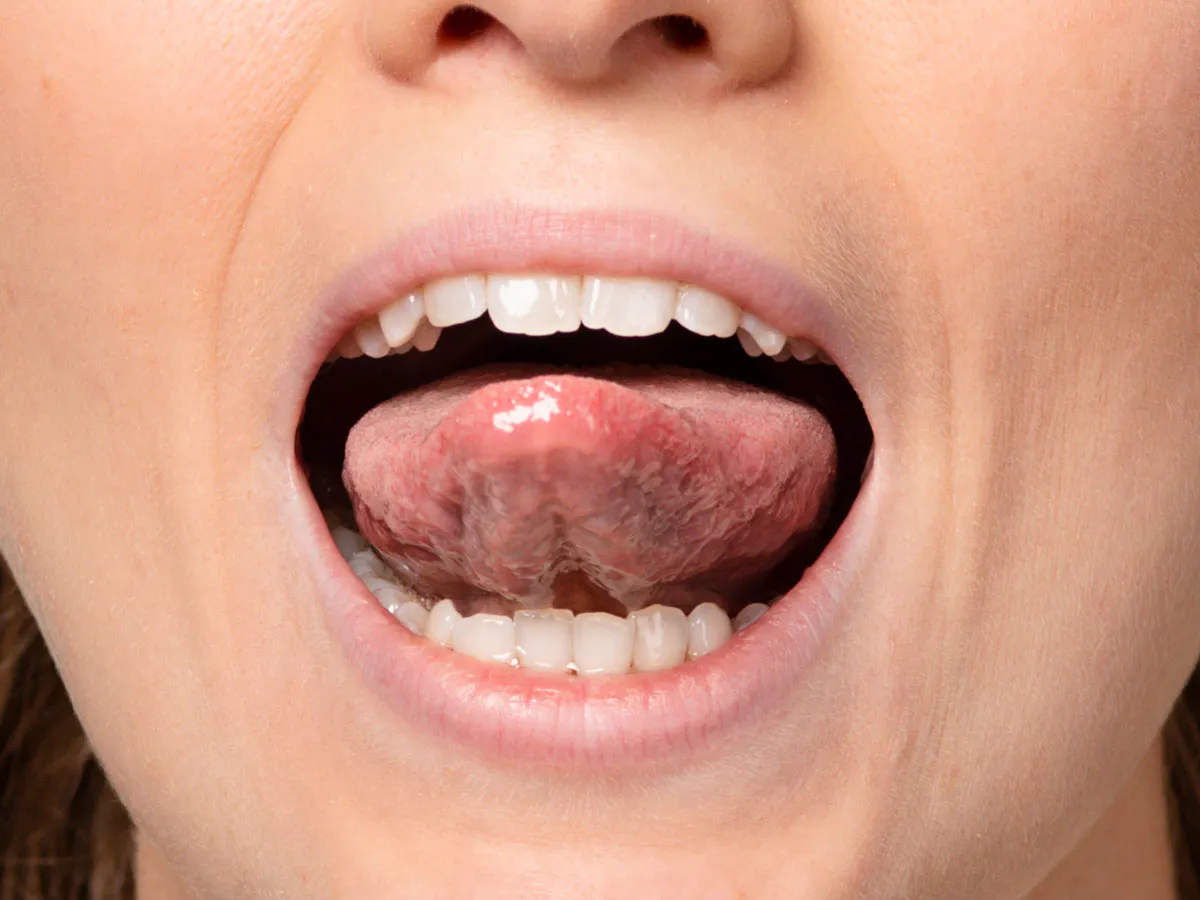

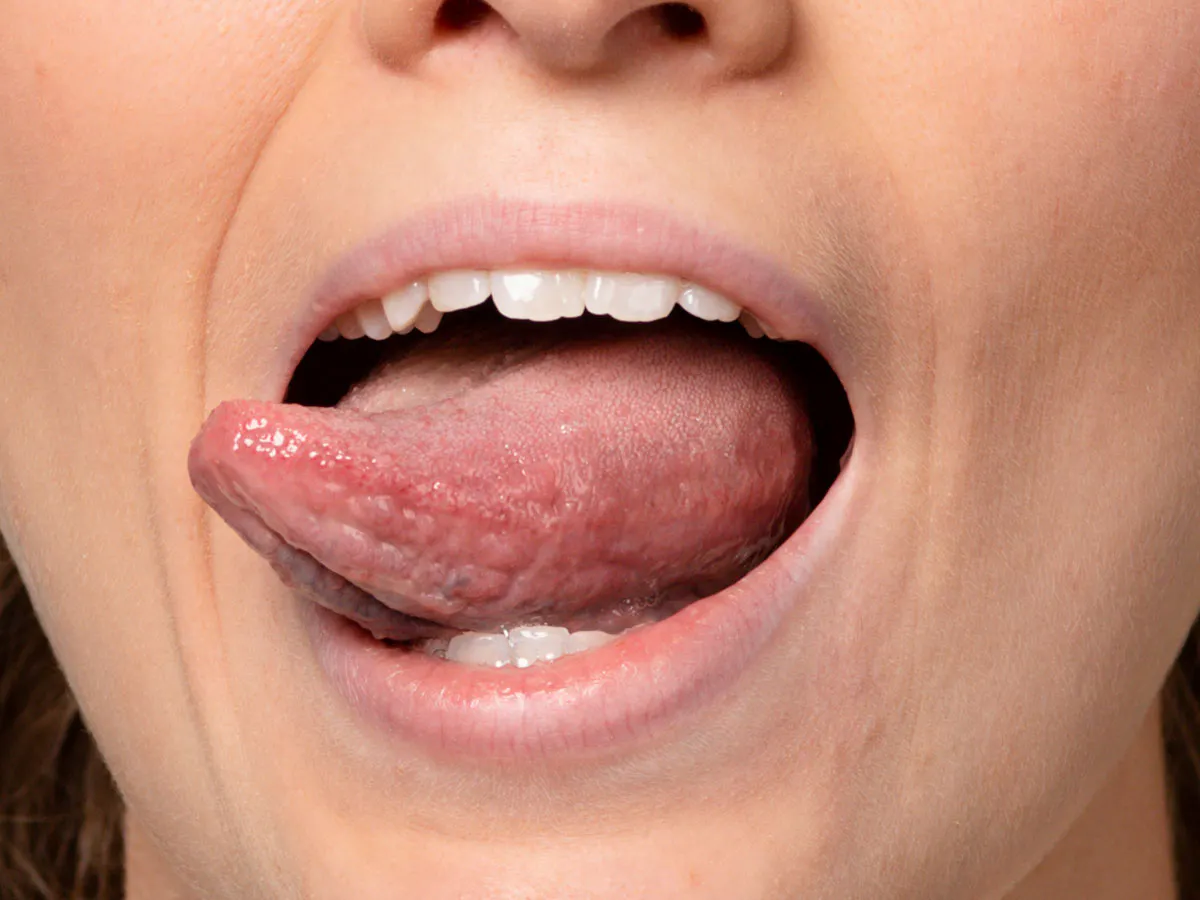
2nd exercise
Tongue on alveolar ridge
Open the mouth wide and lift the tongue up behind the upper front teeth on the alveolar ridge. The tongue should not touch the teeth. Keep the jaw steady, i.e. do not move it.
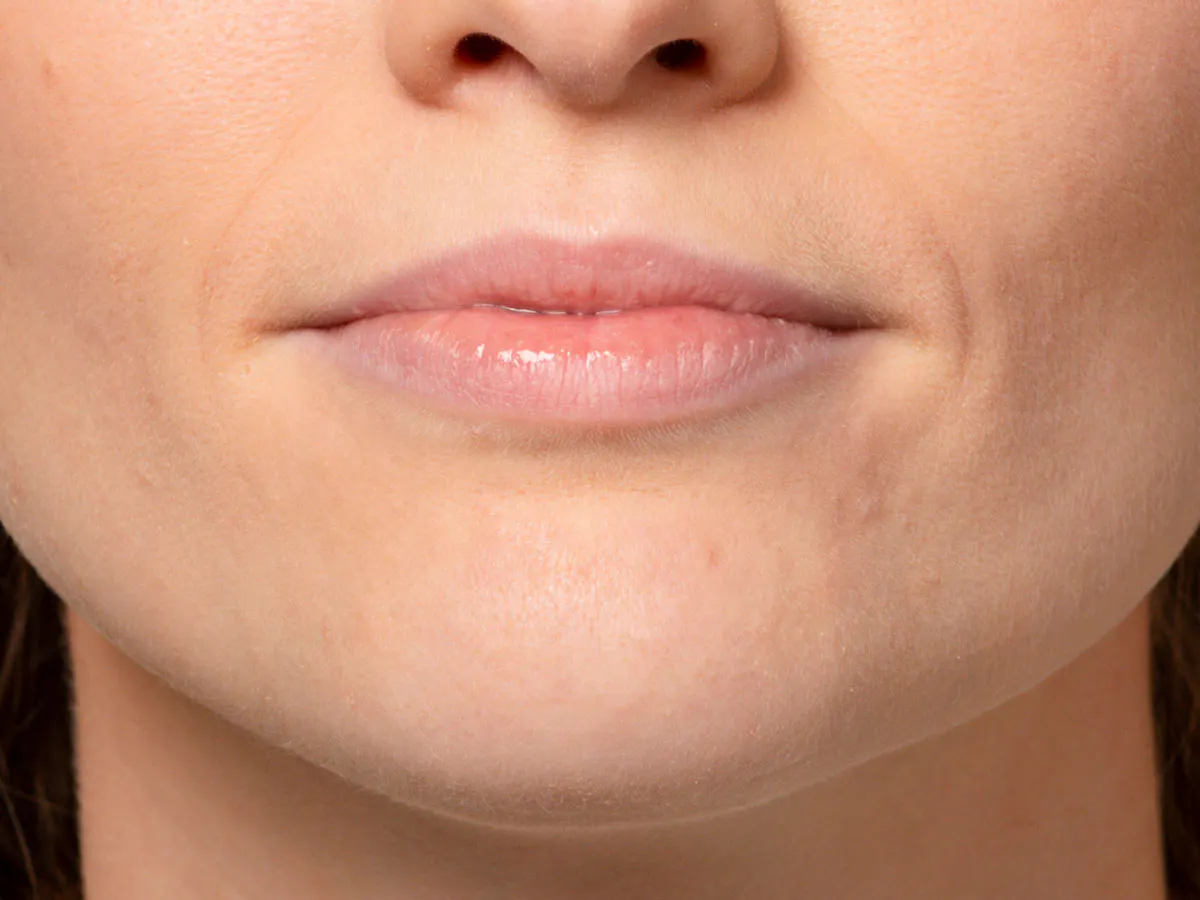
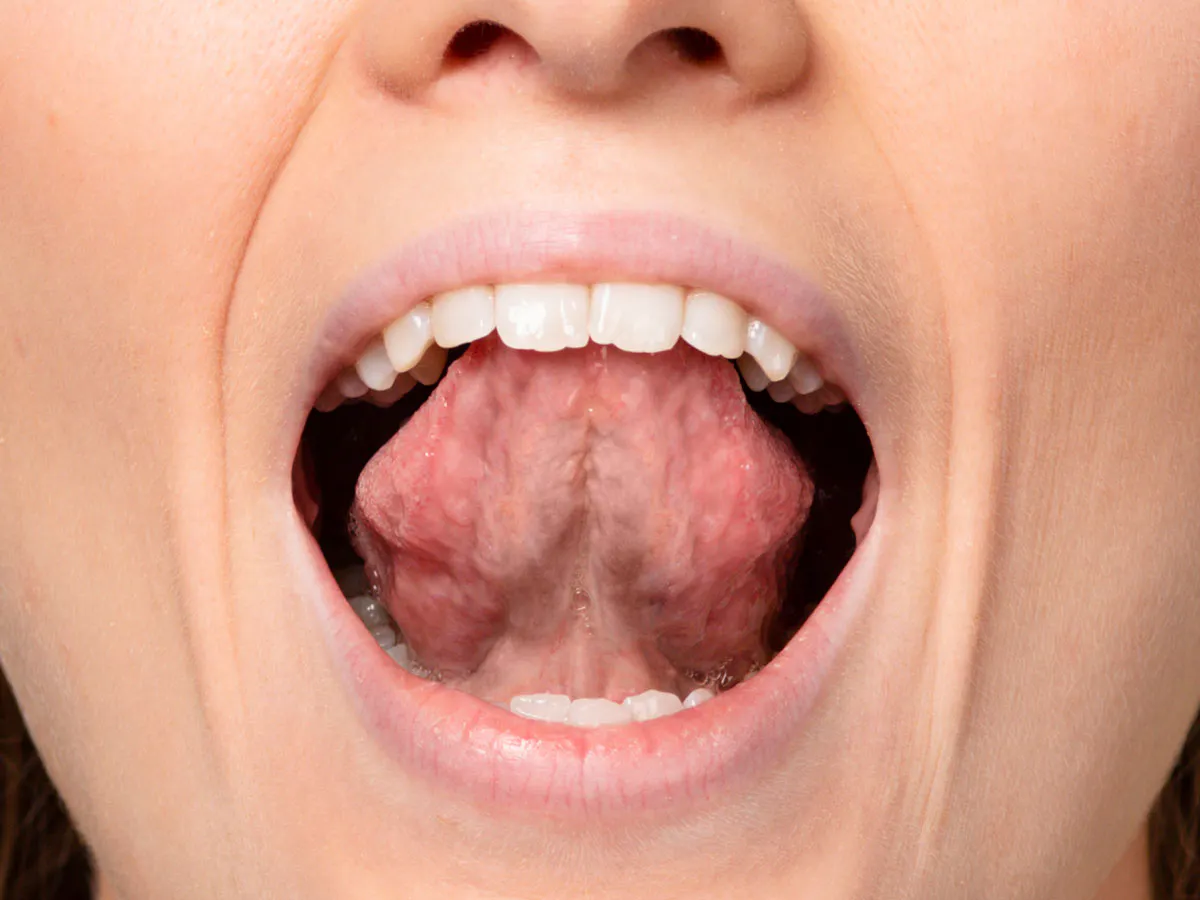
3rd exercise
Clicking the palate
“Suck” the tongue up to the palate and then pull it down with a click. Make sure the tongue flattens against the palate and that the jaw remains steady.
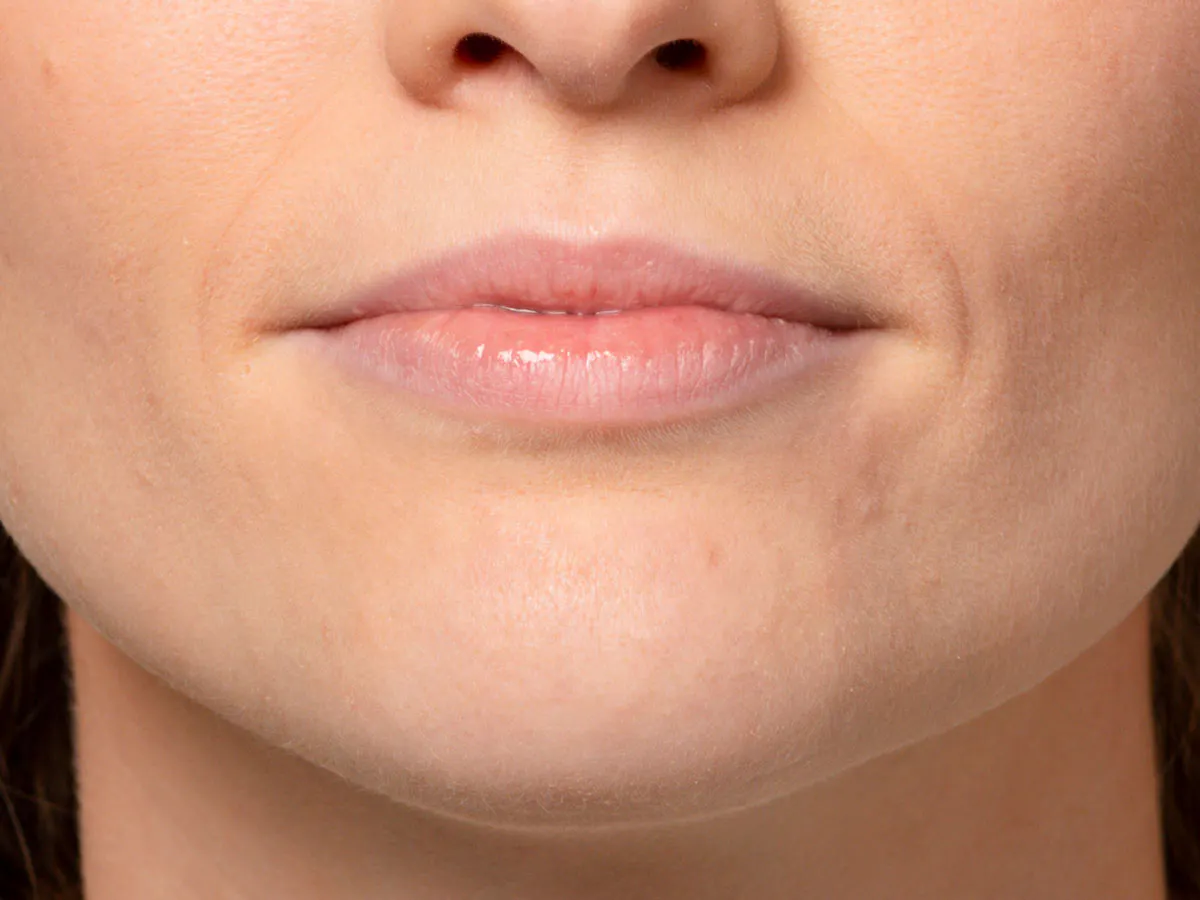
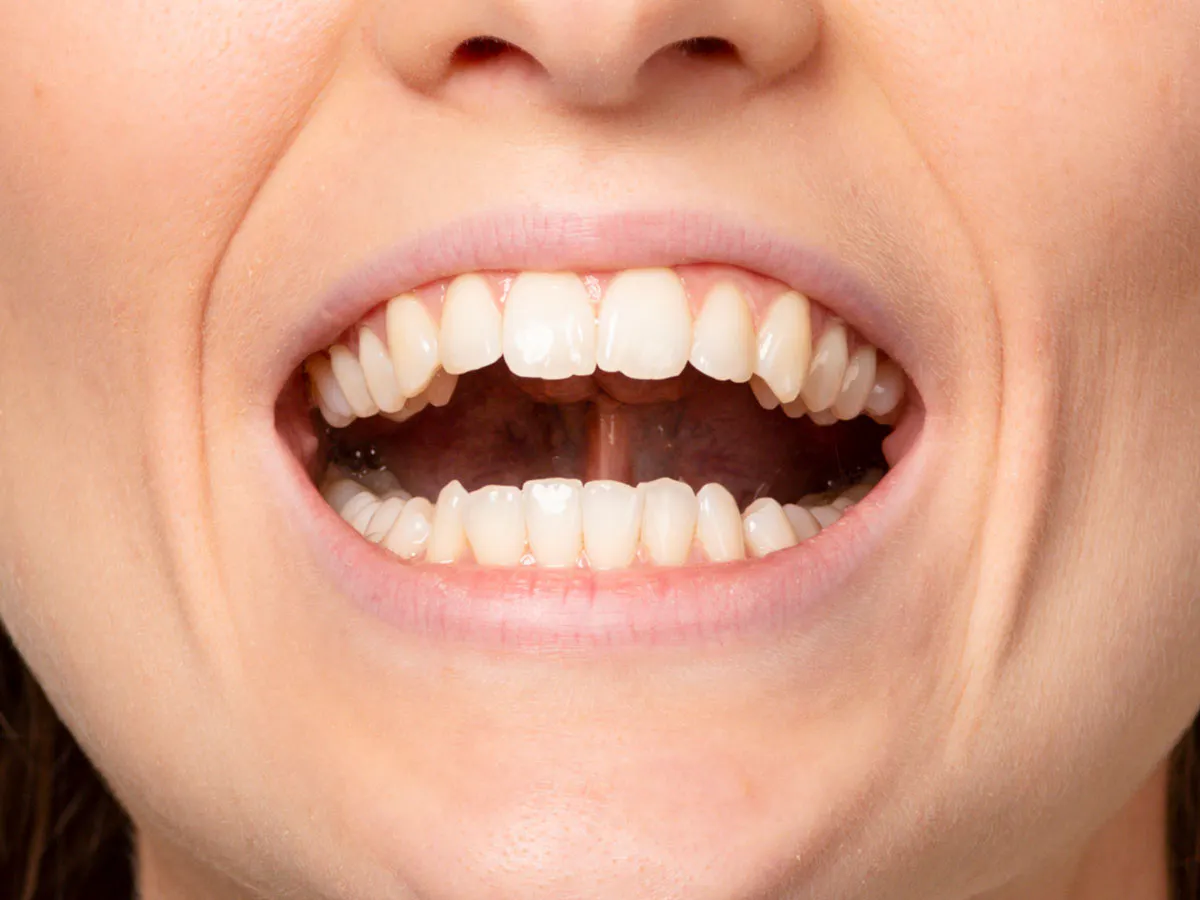
4th exercise
Pressing tongue to the palate
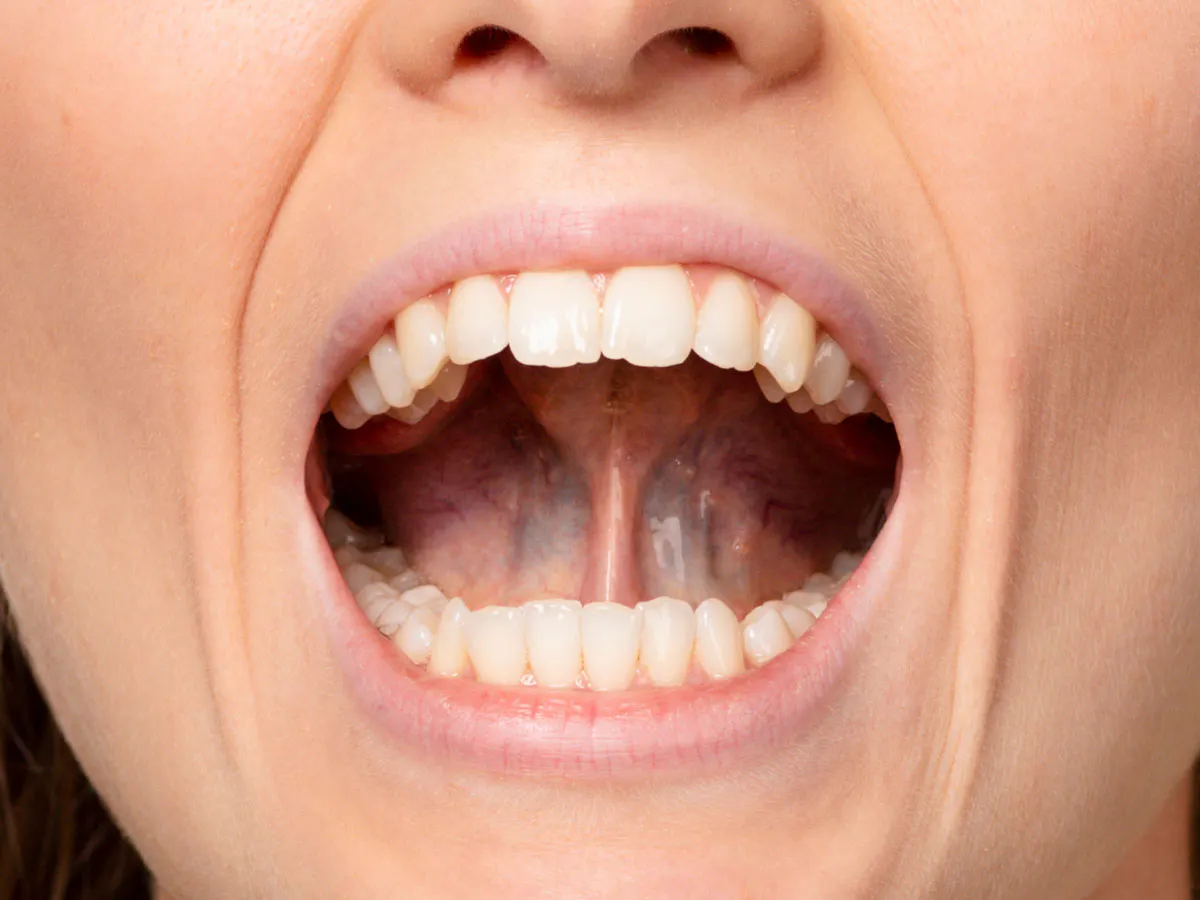
Press the tongue to the palate like a suction cup (as in exercise 3). Keep the tongue up and open and close the mouth alternately (the jaw moves up and down). Open the mouth as wide as possible.
5th exercise
Sweeping the palate
Place the tongue on the alveolar ridge behind the upper front teeth and drag it as far back towards the soft palate as possible. Make sure to keep the tongue pressed against the palate.
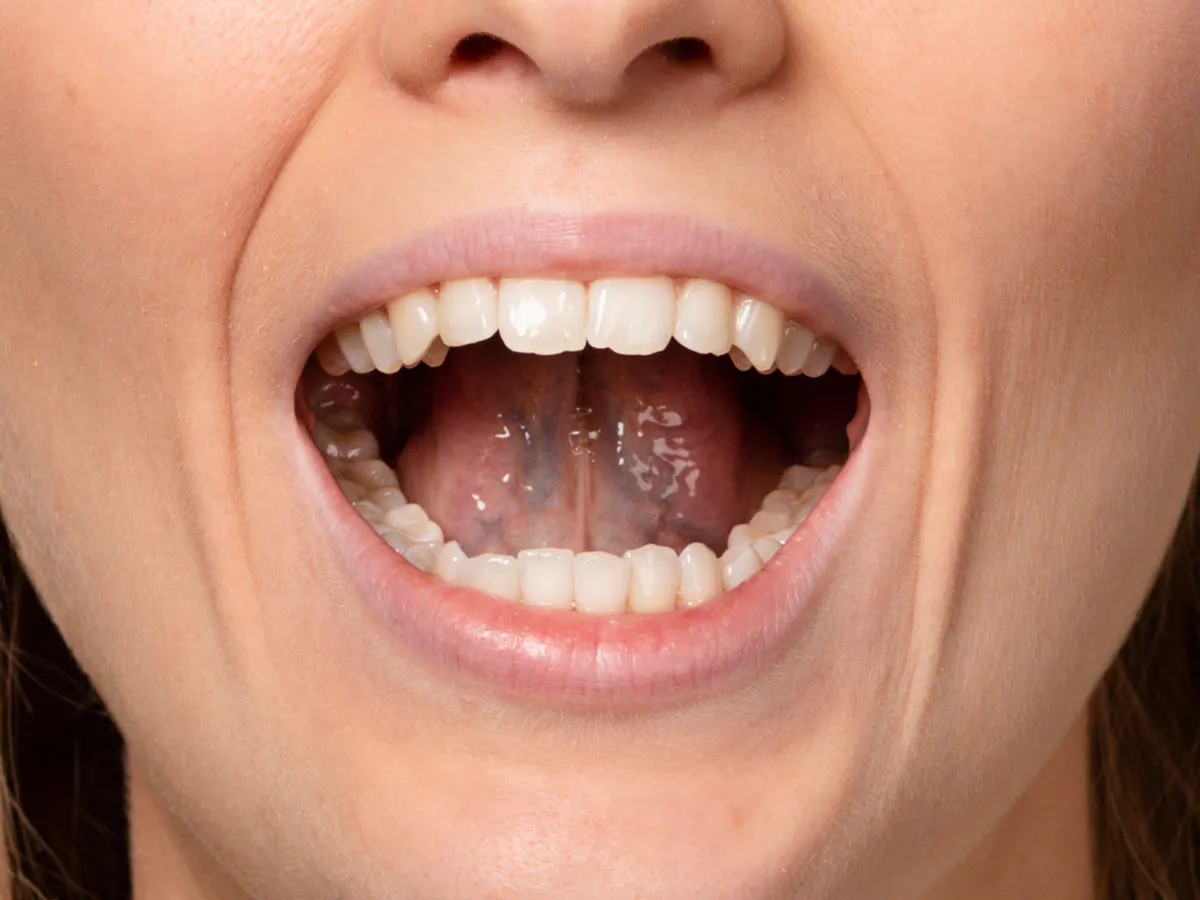
6th exercise
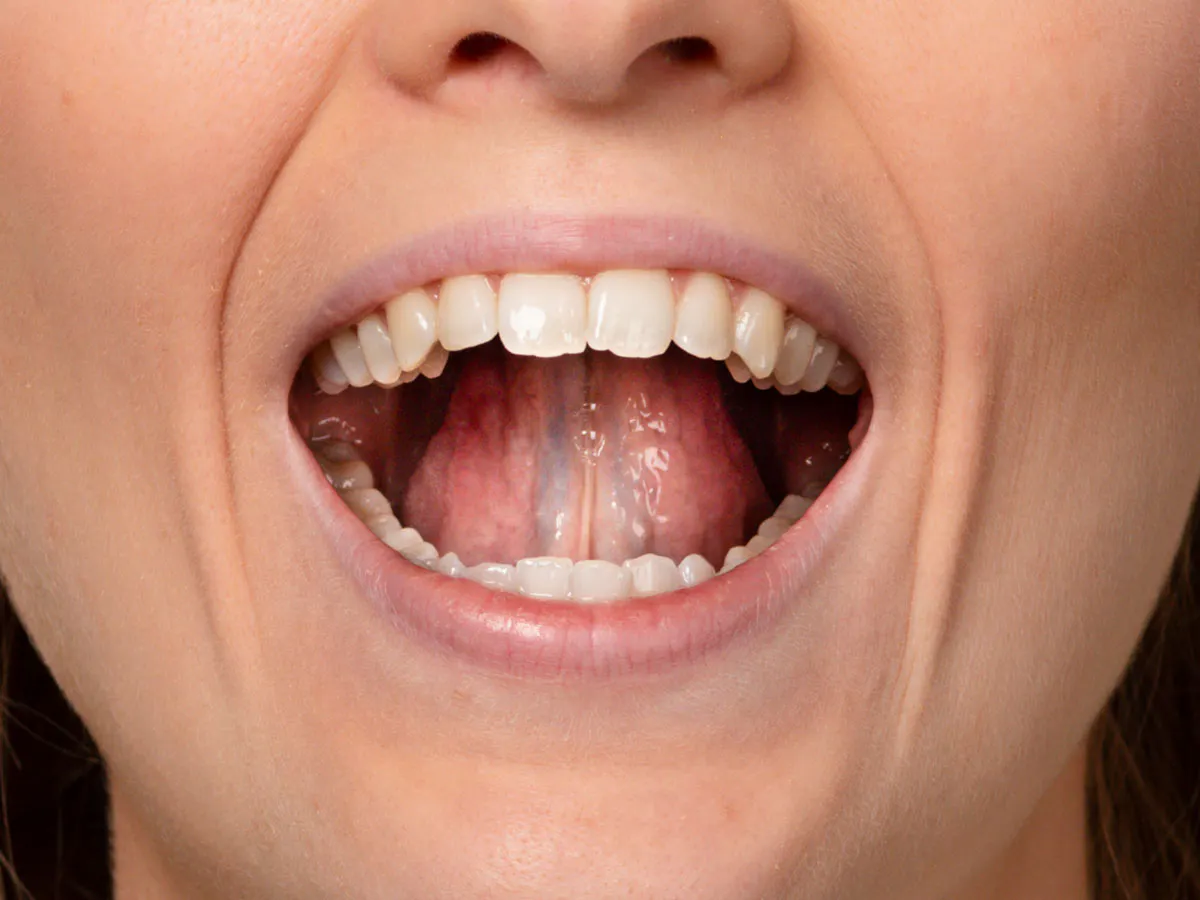
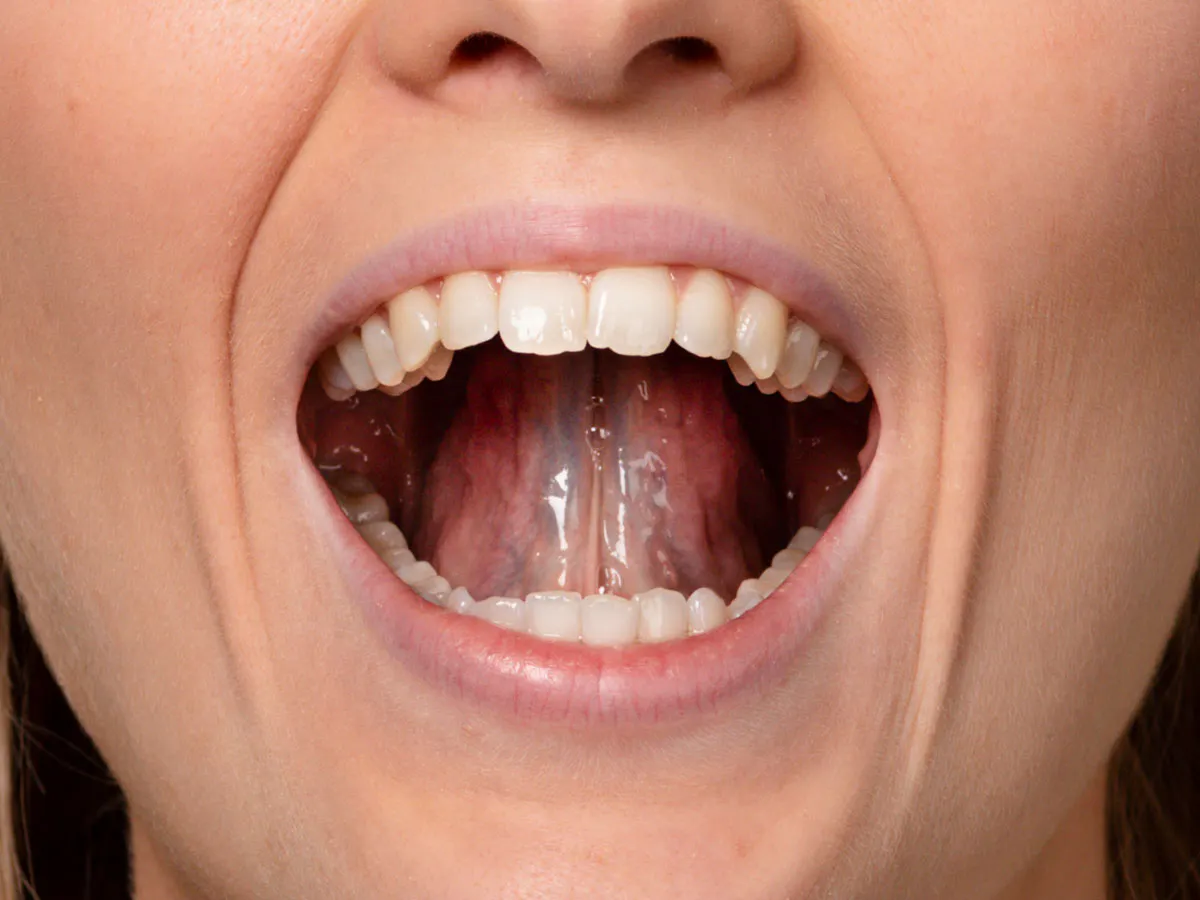
Moving the tongue along the inner arch of the palate
Start at the back molar on the left side and let the tongue follow the palate arch to the back molar on the right side.
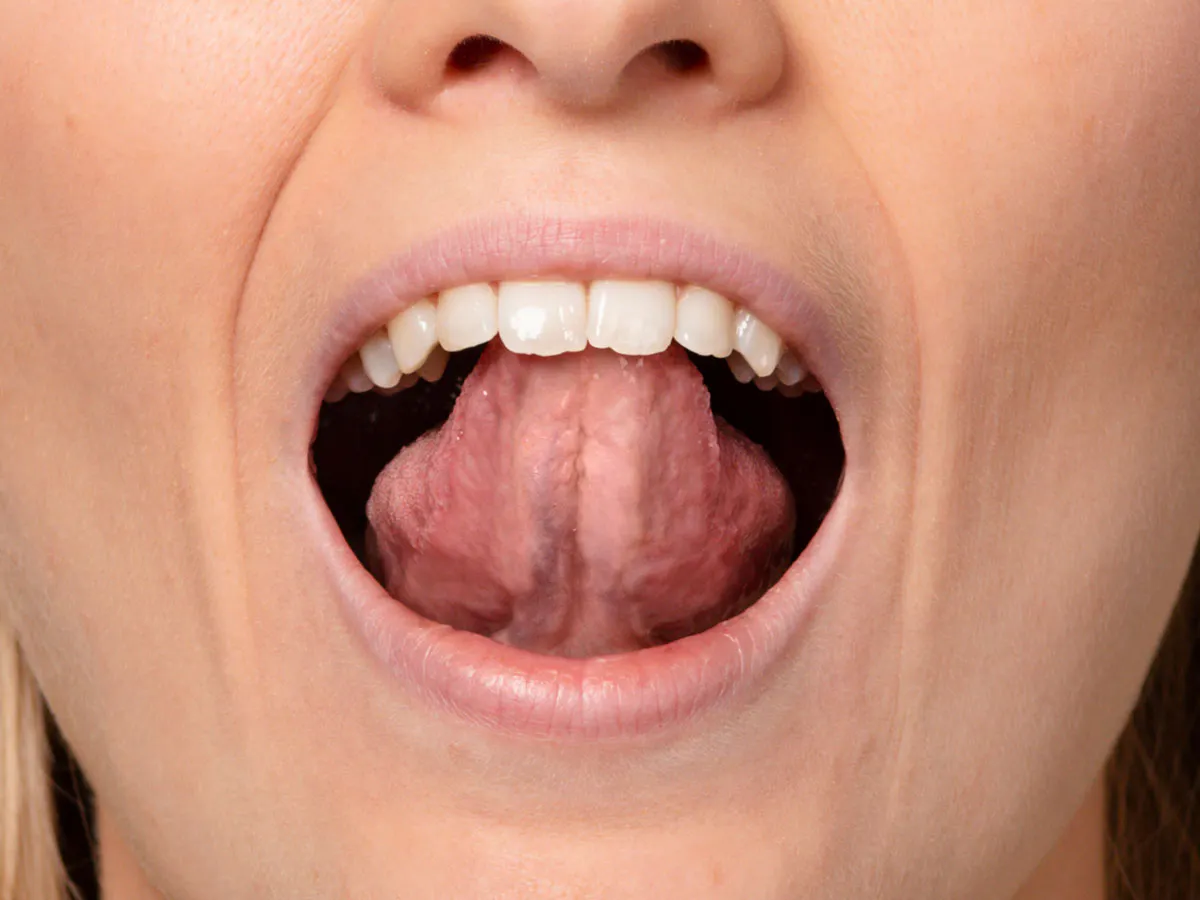
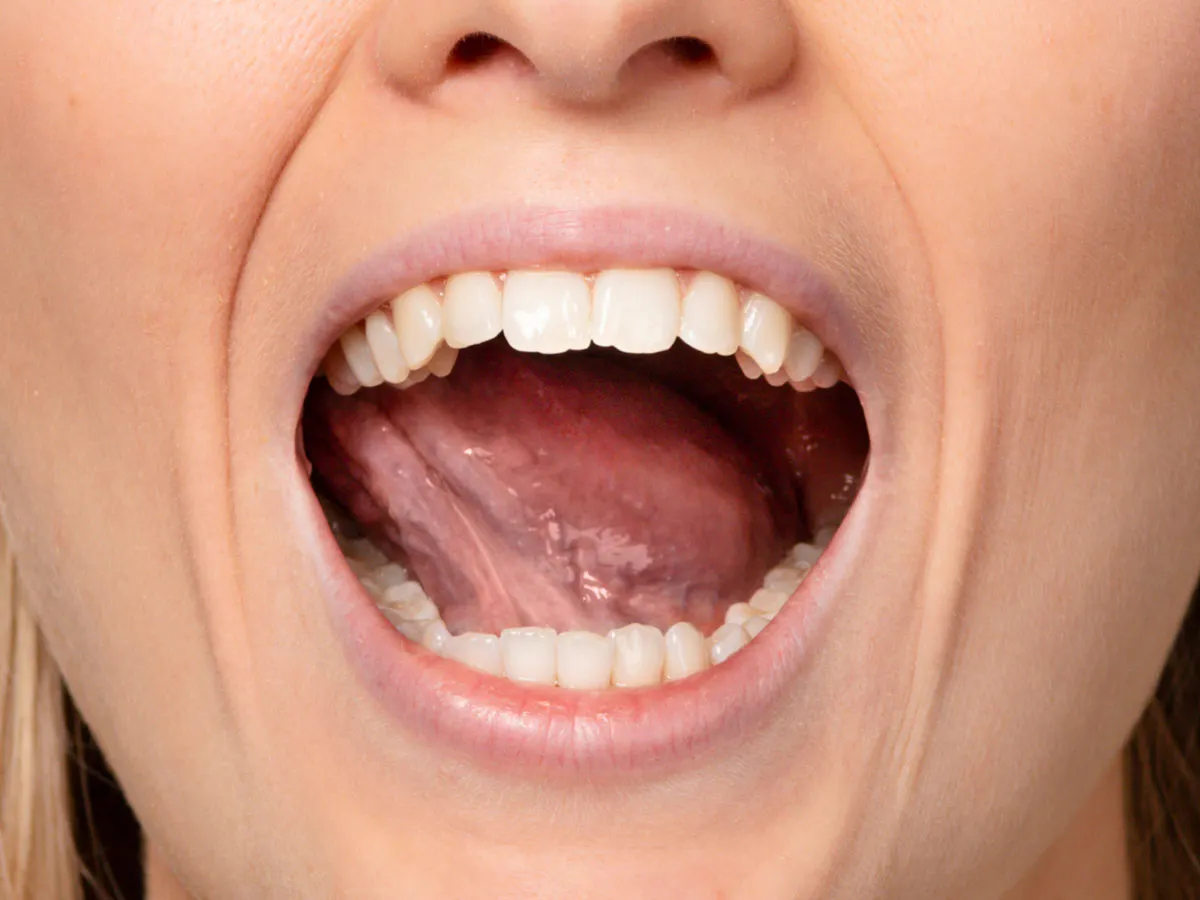
6th exercise
Cleaning the teeth
Keep the mouth closed with a small gap between upper and lower teeth. Move the tongue from the outside of the upper right molar slowly to the upper left molar. Then move the tongue down to the lower left molar and across to the lower right molar. It is also good to do the circle in the opposite direction.
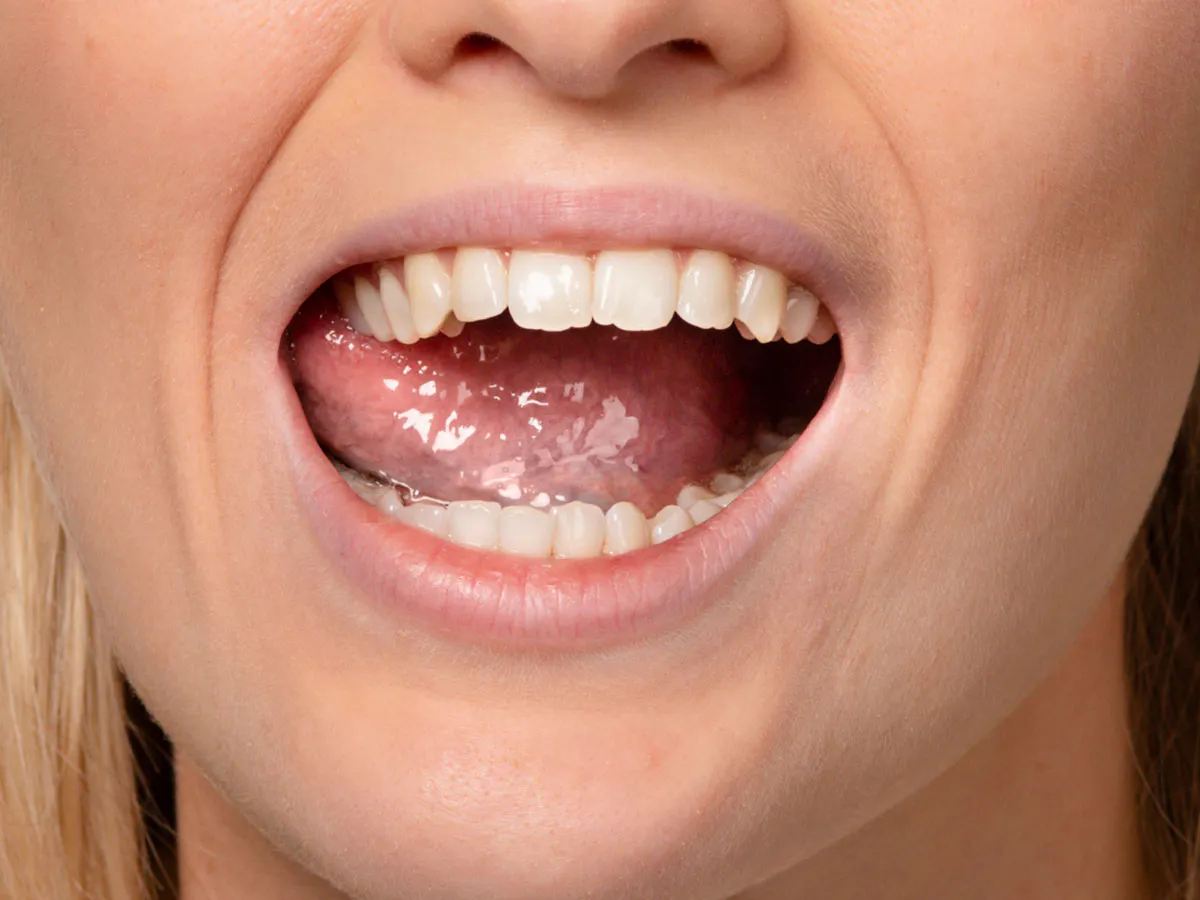


Exercises for younger children
Younger children sometimes have difficulty doing the exercises above. In that case, you can use these exercises which should be manageable for most. We recommend experimenting to see what works.
1st exercise
Encourage tongue movement
Lick ice cream or something else that encourages tongue movements.

2nd exercise
Stretching the tongue
Fish cereal out of a glass with the tongue or something else that stretches the tongue.