News, tips, and knowledge
Would you like to learn more about dental care or oral health in general? Here you will find a mix of patient stories, informative articles, and useful information. Enjoy your reading!

Do Wisdom Teeth Always Need to Be Removed?
Wisdom teeth do not always need to be removed. Some wisdom teeth can remain healthy and stay in the mouth for a lifetime without causing problems. Others may cause inflammation, infections, tooth decay, gum problems, or damage to neighbouring teeth. The decision to remove a wisdom tooth is based on an individual assessment. Factors considered include the position of the tooth, symptoms, X-rays, the ability to keep the area clean, and the risk of future problems. Wisdom teeth are therefore not removed simply because they are wisdom teeth. They are removed when they are causing damage or when it is likely that keeping them will create greater risks in the future than the risks associated with removal.
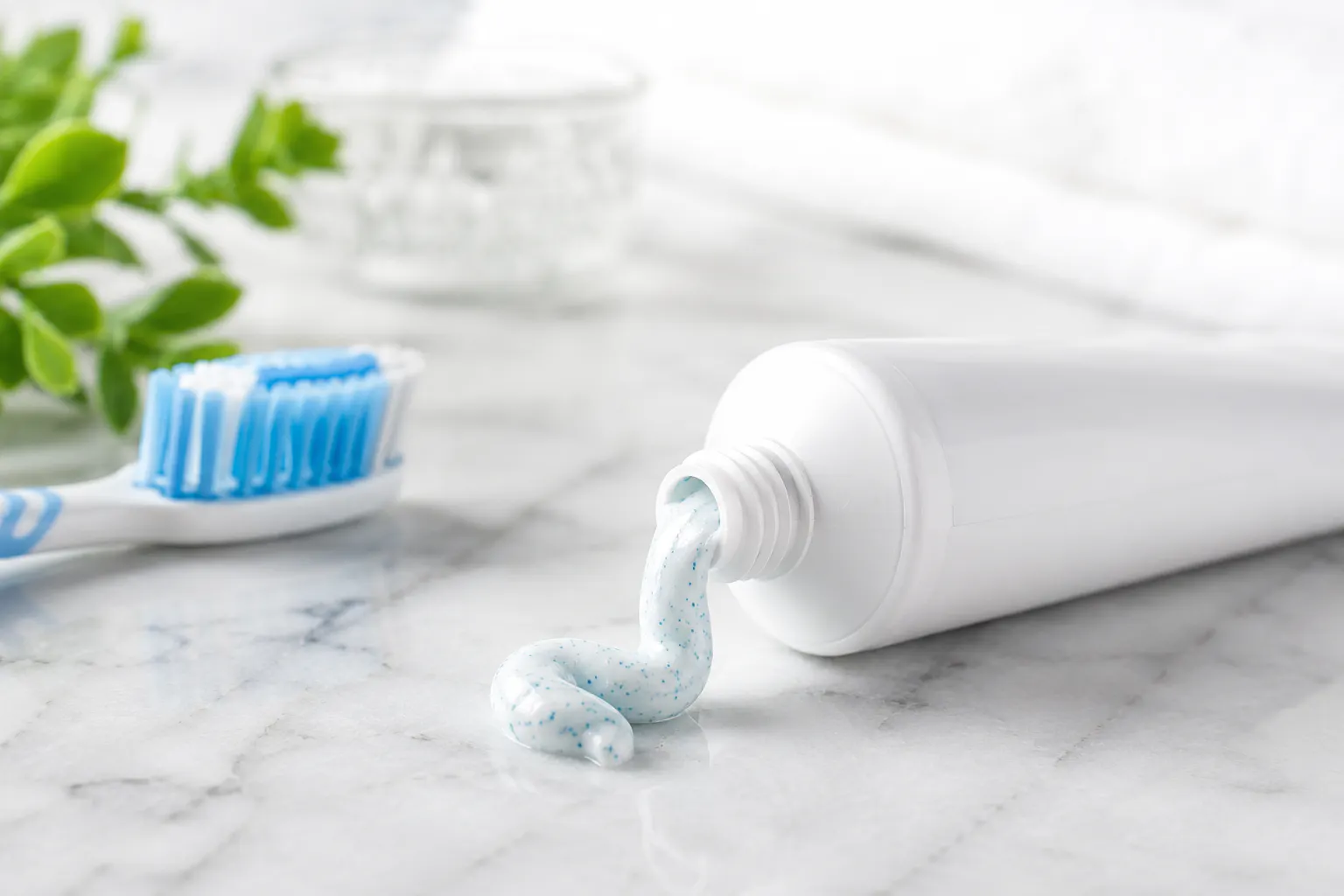
What toothpaste should I use?
Toothpastes are not all the same, and choosing the right one can make a significant difference to your oral health. In this article, we look at the main ingredients found in toothpaste, the different types available, and what dentists recommend for sensitive teeth, healthy gums, and everyday oral care.

Dental Health in Older Age
As we age, the body naturally changes and the mouth is no exception. Teeth, gums, oral tissues, and even taste gradually undergo noticeable changes over time.

Bad Breath – Causes and Treatment
Bad breath is a common issue that affects nearly half of all adults. It can impact confidence and social interactions, but in most cases, it can be treated with the right care and guidance.

Health Insurance Refunds for Dental Treatments
Health insurance in Iceland covers a large portion of dental treatment costs for children, seniors, and people with disabilities, under agreements with the Icelandic Dental Association. All reimbursements are processed electronically at the clinic, so you only pay the portion that applies to you. Adults aged 18–67 pay for their dental treatments in full, though special rules apply for wisdom tooth surgeries, dental prosthetics, and treatments due to accidents or congenital conditions.

Dry mouth
Dry mouth (xerostomia) is a condition where saliva production is lower than normal, and in severe cases, there may be no saliva at all. About one in five adults suffer from dry mouth for various reasons.

Energy Drinks and Dental Health
In recent years, energy drink consumption has surged, especially among young people, driven by aggressive marketing and appealing flavors. These drinks, often high in acids like citric and phosphoric acid, lower the pH in the mouth, causing enamel erosion. This erosion thins the protective outer layer of teeth, leading to sensitivity, loss of shape, and increased vulnerability to decay. While not everyone who drinks energy drinks will suffer enamel damage, young people with newly developed adult teeth are particularly at risk. To minimize harm, it is advised to consume acidic drinks quickly rather than sipping over time, avoid brushing teeth immediately after, and rinse with water or eat cheese afterward to help neutralize acids.

Youth Discount
When young people turn 18, many things change, including the fact that they now have to cover the cost of dental care themselves. At this age, it can be tempting to spend money on things that seem more fun than regular dental check-ups.
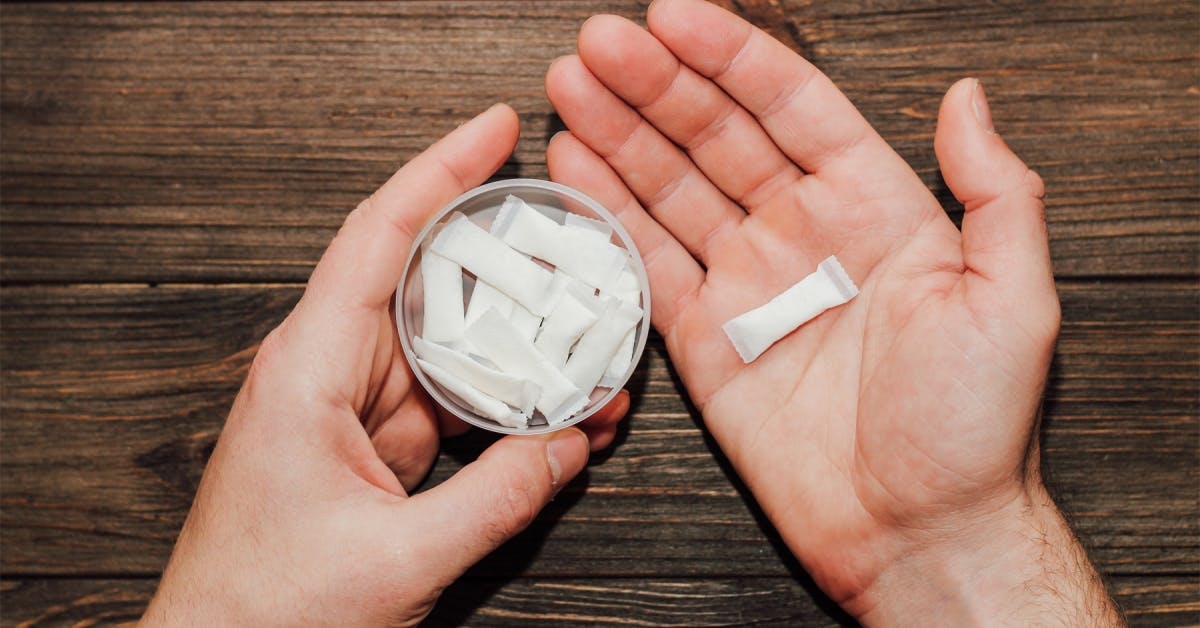
Nicotine Pouches – Are They Really That Bad?
You feel the urge, take out the small pouch, and place it under your lip. Nicotine quickly enters your bloodstream. You experience a calming sensation as the addiction is satisfied, but a series of reactions begin in your body, most of which are far from calming.

When should a child stop using a pacifier?
Pacifiers can provide great comfort to babies during their first months of life, but prolonged use can negatively affect speech development, teeth, and sleep. In this article, we discuss the best time to wean children off pacifiers, the problems that can arise from extended use, and how parents can take steps toward pacifier-free days.