Dry mouth
Aug 20, 2025

Dry mouth is accompanied by a variety of symptoms in the mouth, and symptoms in other areas, such as the eyes, are often present as well. This condition is most commonly caused by diseases or medication use and is usually related to reduced glandular function in the body.
Dry mouth can significantly affect bodily functions and greatly reduce the quality of life for those affected. Speech, taste, chewing, swallowing, smell, and even sexual function can be impacted by dryness. Oral health is also at risk.
What Causes Dry Mouth?
One of the main causes of dry mouth is a side effect of medication use. Other causes include mouth breathing, reduced chewing ability, various diseases such as Sjögren’s syndrome, and radiation therapy to the head and neck area.
Over 1,800 registered medications affect saliva production. Eighty percent of the ten most commonly prescribed drugs in the United States cause dry mouth. The main categories of these medications include blood pressure drugs, anti-anxiety medications, antidepressants, allergy medicines, weight loss drugs, Parkinson’s disease medications, and painkillers.
How Does Dry Mouth Affect Oral Health?
Dry mouth can quickly deteriorate oral health. Since saliva has multiple essential functions in the mouth, a lack of saliva can have serious consequences for dental health.
Saliva lubricates the oral mucosa and aids in chewing, speaking, swallowing, and more. It protects the oral mucosa from infections and neutralizes acids. Saliva also helps naturally clean the teeth.
A lack of saliva increases the risk of mucosal infections, especially fungal infections. The risk of tooth decay greatly increases, leading to damage on teeth and surfaces that would otherwise rarely be harmed. There is also a higher risk of root surface decay. These cavities often become very large in a short time.
Other symptoms of dry mouth include bad breath, dry lips, altered taste, soreness or sores on the tongue, gingivitis, speech difficulties, trouble chewing and swallowing, throat soreness, sores under dentures, and sticky or thick saliva.
Diagnosing Dry Mouth
To determine the cause of dry mouth, various tests may be necessary. A detailed medical history is taken, including current medications and any diagnosed diseases. A thorough examination of the teeth and mouth is performed. Different saliva tests can measure the flow and quality of saliva. Sometimes blood tests are needed if an underlying undiagnosed disease is suspected. In such cases, patients are referred to their primary care provider.
What Can Be Done?
Since dry mouth is caused by many different factors, there are different ways to manage it. If dry mouth is caused by medication, it may sometimes be possible to stop, reduce, or switch medications. If it results from disease, treating the disease or managing it better with lifestyle changes may reduce dryness.
Sometimes dry mouth cannot be reduced or eliminated. In these cases, it is important to make the best of the situation by following specific recommendations:
Drink plenty of water throughout the day. Sip water often during meals to ease chewing and swallowing and enhance taste. Keep a water bottle handy and sip water regularly. Also have water available by the bedside at night.
Stimulate saliva flow by:
- Eating foods that require chewing.
- Chewing sugar-free gum.
- Sucking on sugar-free sour candies (available at pharmacies). We recommend Hap+ lozenges that are sugarfree, non erosiv and contain calcium.
- Xylimelts are saliva stimulating tablets that sticks to your teeth or gum and work to relief dry mouth for hours.
- Protect the hard and soft tissues of the mouth by:
- Brushing teeth carefully morning and night and after meals.
- Using dental floss daily.
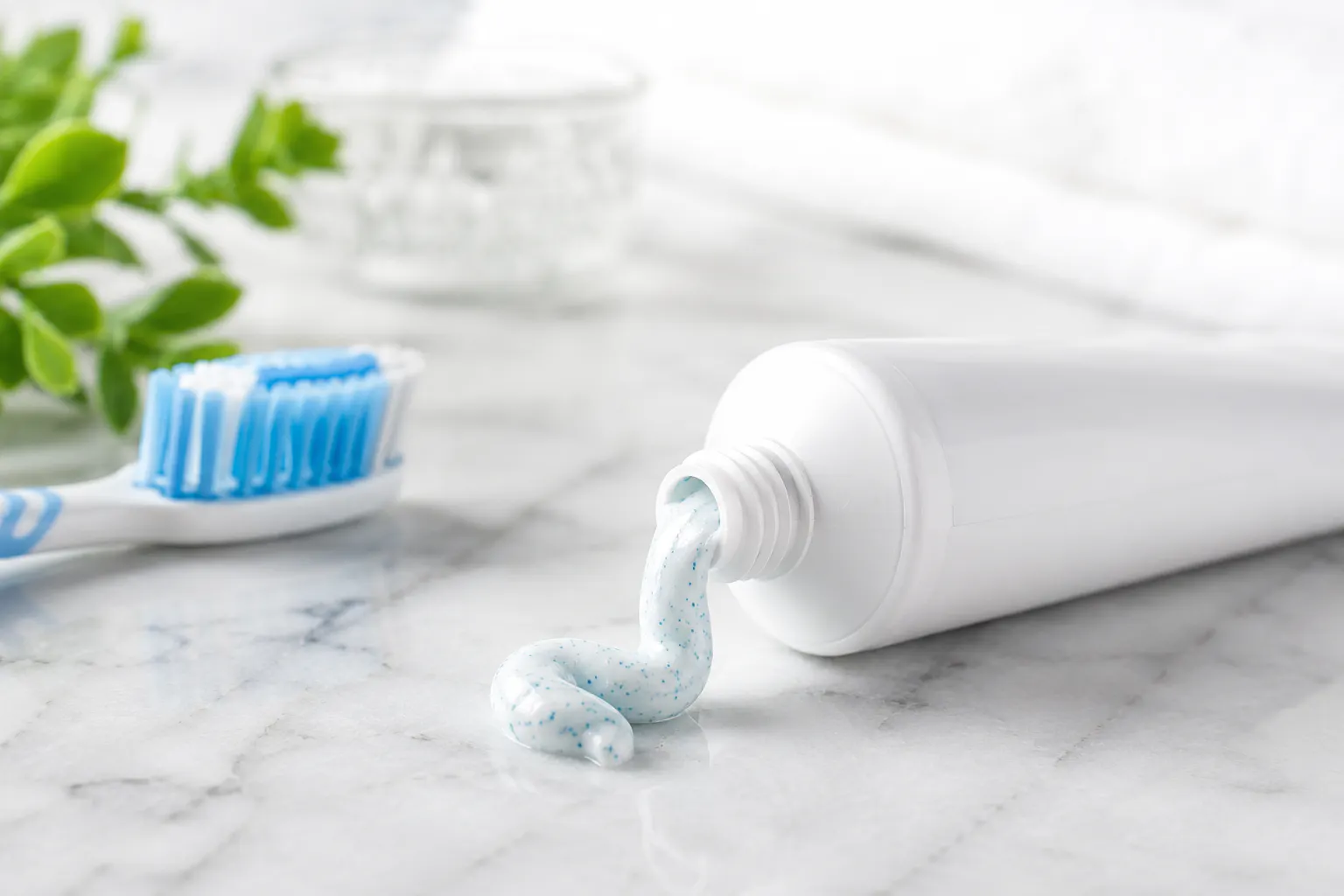
- Using fluoride toothpaste and not rinsing it out after brushing.
- Cleaning the tongue daily with a tongue scraper.
- Reducing sugar intake, especially in frequency. It is important to give teeth a good rest between meals where only water is consumed.
- Being mindful of carbohydrate-rich foods that remain on teeth after meals and can cause decay.
- Not smoking—smoking increases dry mouth.
- Reducing or stopping alcohol consumption.
- Reducing or stopping caffeine intake.
- Chewing food slowly and carefully and sipping water with meals.
- Breathing through the nose as much as possible.
- Not wearing dentures at night.
- Using artificial saliva or gels to lubricate the mucosa and improve comfort.
- Visiting the dentist regularly.
The dentist can prescribe specially formulated high-fluoride toothpaste for patients at risk.
There is a wide variety of products on the market to relieve symptoms and reduce complications of dry mouth. The goal is to improve comfort and reduce the risk of tooth decay and other consequences. What suits each person varies greatly. Ask your dentist or pharmacist for advice.
Do You Suffer From Dry Mouth?
We want to help you maintain your oral health and minimize the effects of dry mouth. Come for regular dental check-ups at Tannlæknaþjónustan and receive advice tailored to your condition. Your health and well-being are important to us.