Energy Drinks and Dental Health
Aug 1, 2025
In the 1980s, damage to teenagers’ teeth began to appear that was hardly known or seen in Iceland before. The teeth were dull, thin, and lost their shape and form. This coincided with the trend of selling soft drinks in larger packages, making them more commonly consumed in households than before.
The connection between enamel erosion and soft drink consumption was confirmed in studies, many of which were carried out in Iceland. Dentists became aware of the problem, and there was a general increase in awareness about the harmful effects of soft drinks on teeth. This involved both their sugar content, which led to increased tooth decay, and, perhaps more importantly, the enamel erosion, which was the new major problem. Significant progress was made in the fight against cavities, and most parents became aware of the damage that can result from excessive soft drink consumption. But marketing forces always find new ways, and now the problem is energy drinks.
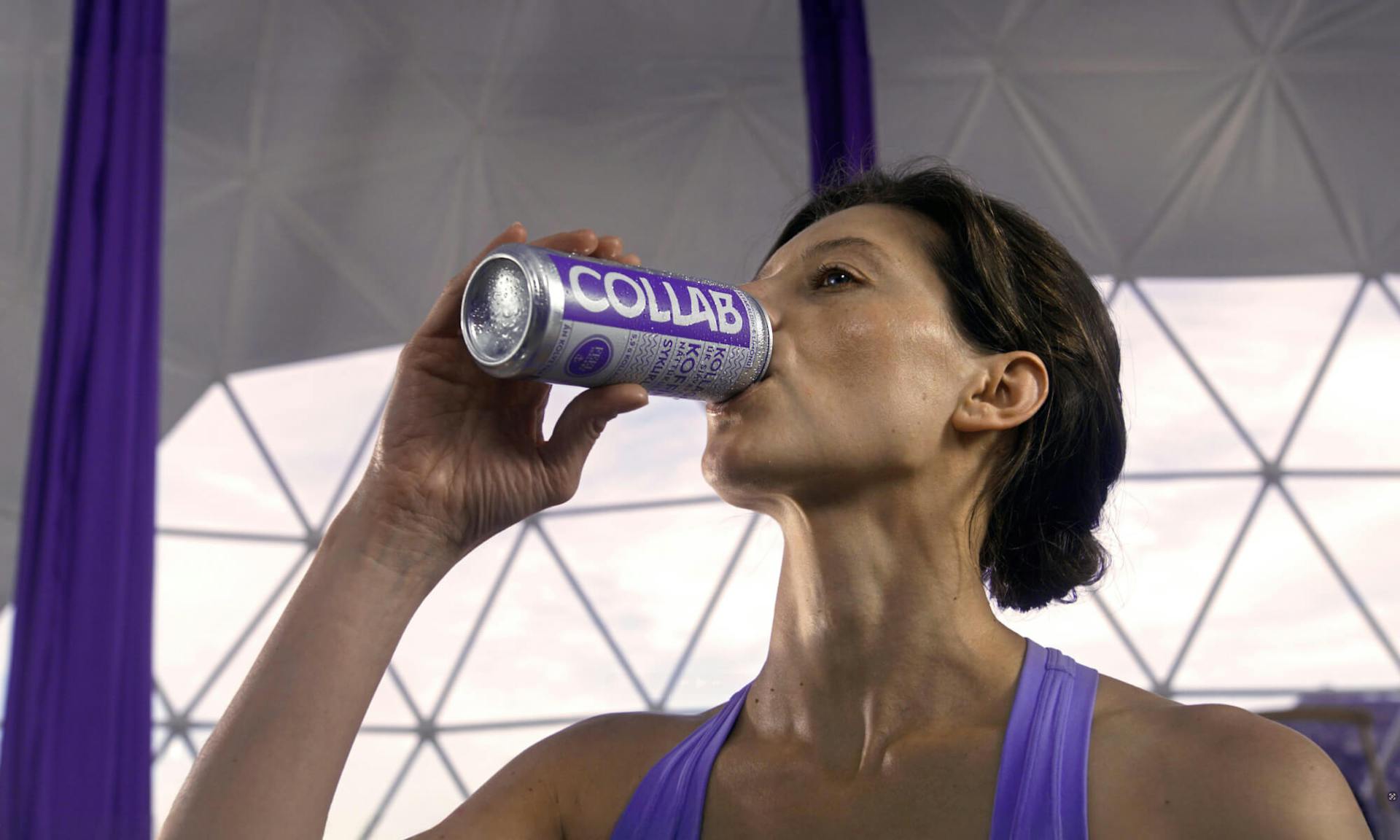
Sales and consumption of so-called energy drinks have multiplied in recent years, largely due to powerful marketing, especially among young people. New exciting drinks are constantly hitting the market, with colorful packaging and new flavors attracting attention. Most people have come to realize that energy drinks are not healthy, but what exactly makes them bad for health, particularly dental health?
What drinks are energy drinks?
Let’s start by looking at what we mean by energy drinks. Energy drinks are beverages that contain caffeine and are therefore stimulants. In most cases, these drinks are sugar-free and low in calories, containing no real energy. However, they often have added substances said to be good for the body, such as vitamins, amino acids, and collagen.
Another category often called energy drinks are sports drinks. These contain various salts and substances lost from the body during exercise or illness and are meant to replenish those. These drinks do not contain caffeine and can be either sugary or artificially sweetened.
Soft drinks containing caffeine, such as Coke—whether sugary or sugar-free—could also be classified with energy drinks since their contents are similar except for the added nutrients. Cola contains 65 mg of caffeine per half liter, while most energy drinks have the maximum allowed caffeine content of 160 mg per half liter. A coffee cup contains 250 mg of caffeine per half liter, but usually smaller amounts are consumed at one time—a single cup has about 50 mg of caffeine. Coffee does not erode enamel.
What happens in the mouth when you drink energy drinks?
Energy drinks and soft drinks all share the fact that they contain acids and have a very low pH level. Acidic drinks lower the pH in the mouth, causing substances on the enamel surface to dissolve and enter the saliva. If the acidity drop lasts for a very short time and no acidic drink is consumed for several hours, the substances return to the tooth surface. However, if acidic drinks are sipped continuously, the pH remains low, and substances are continuously lost into saliva and flushed away. Gradually, the enamel surface thins, teeth erode, and lose their shape. When the erosion reaches through the enamel to the underlying dentin, the process speeds up significantly.
What do teeth with enamel erosion look like?
A dentist can detect early-stage enamel erosion by drying the teeth and examining carefully with good lighting. Instead of being shiny with a fine, rough texture, eroded enamel appears dull and smooth, with the delicate roughness gone. As erosion progresses, teeth lose their shape and may become sensitive. Teeth with thin enamel also appear yellower because the dentin underneath shows through or is exposed.
Front teeth thin mostly from the inside. Their edges become glass-thin, and the darkness of the mouth shows through, making the edge appear bluish. This thin edge then begins to chip and erode, shortening the tooth.
Molars erode mostly on the biting surfaces. The cusps wear down and erode, and grooves and depressions form on the chewing surface. The tooth may become sensitive to biting.
Does everyone who consumes energy drinks suffer enamel erosion?
The degree of enamel erosion caused by excessive consumption of soft drinks and energy drinks varies individually. Teenagers with recently erupted adult teeth often suffer badly because their tooth surfaces are very vulnerable and dissolve easily. With age, the surface hardens and resists acid better. Adults who drink energy drinks today generally did not have enamel erosion as teenagers since these drinks were not as widely available then. We have yet to see how the teeth of today’s teenagers will age with continuous energy drink consumption as a lifestyle from a young age.
Factors that can increase enamel erosion include:
- Young age, recently erupted adult teeth
- Acid reflux
- Teeth grinding
- Dry mouth
- Poor saliva quality
- Very frequent consumption of acidic drinks
What can be done to minimize the risk if you don’t want to stop drinking acidic drinks?
- Drink the drink quickly, don’t sip it over a long period
- Try to drink acidic drinks as rarely as possible during the day
- Don’t brush your teeth within 30 minutes after drinking
- Rinse your mouth with water after acidic drinks. Also, nibbling on cheese helps neutralize acidity
- Use acid-reducing medication if you have chronic acid reflux
- Use a night guard if you grind your teeth
- Visit your dentist regularly for checkups. They can tell you if your consumption affects your teeth
How can I tell if a drink is harmful?
You can check the ingredients list on the drink to see if it is harmful to teeth. If it contains citric acid or phosphoric acid, it erodes enamel. Sometimes, an E-number is listed instead: E330 is citric acid and E338 is phosphoric acid. In some ingredient lists, acids are called acid regulators.
Carbonation itself does not erode enamel. Soda water, like “blár kristall” (blue crystal), is harmless. Flavored crystal waters, like lemon or lime crystal, are also fine. Their flavorings do not erode enamel. If anything else is added, the drink is usually enamel-eroding and/or can cause tooth damage.
All other soft drinks and energy drinks are harmful and contain either citric or phosphoric acid. The same applies to juices which are naturally acidic. Significant enamel erosion has also been seen after consumption of lemon water, which has been a trend.
Coffee is not or is very minimally enamel-eroding, milk is good, and water is best.
If the drink contains sugar, it can cause tooth decay. Choose sugar-free drinks over sugary ones.
It is good to keep in mind that soft drinks, energy drinks, and sports drinks are modern phenomena that we do not need. There are no ingredients in these drinks that we need specifically or cannot get from food. Excessive consumption harms us whether we look at acid content, excessive caffeine, sugar, or artificial sweeteners. It is not normal that trash bins at sports centers are full of energy drink cans and sports drinks. Let’s drink water when thirsty, enjoy an occasional coffee or tea, and give children milk. Everything else should be reserved for special occasions, at least when it comes to children and teenagers.