Dental Health in Older Age
Apr 15, 2026
It is inevitable that the body changes with age—and the mouth is no exception. Teeth, gums, oral tissues, and even the sense of taste undergo gradual but noticeable changes over time. However, these changes are rarely caused by age alone; lifestyle, diseases, and medication use also play a significant role.
So what actually happens in our mouths as we get older?
Teeth Tell the Story of a Lifetime
Our teeth carry the marks of everyday life. Over time, they wear down due to chewing, grinding, and exposure to food and drinks. The enamel—the hard outer layer of the tooth—gradually thins, making the darker dentin underneath more visible.
Pigments from food accumulate in the teeth, and together these factors cause teeth to darken with age.
Front teeth may become shorter, edges can wear down, and surfaces become more uneven. Cracks and small fractures also become more common, especially in teeth that have been under stress for many years.
At the same time, the nerves inside the teeth can become calcified and less sensitive, meaning problems may not always cause noticeable pain.
Gums and Supporting Structures Weaken
One of the most noticeable changes is gum recession. The roots of the teeth become more exposed and more vulnerable to damage.
Since root surfaces are softer than enamel, improper brushing techniques or highly abrasive toothpaste can lead to so-called abrasion damage.
Gum disease also becomes more common with age. It often develops slowly and with few symptoms, especially as the body’s inflammatory response decreases.
In severe cases, this can lead to tooth loss. Gum disease doesn’t only affect oral health—research shows that chronic inflammation in the mouth may increase the risk of heart disease, stroke, and other systemic conditions.
Dry Mouth – An Underestimated Problem
Dry mouth is one of the most common issues in older adults. It is usually not a direct result of aging itself, but rather linked to medication use.
Saliva plays a crucial role in protecting teeth, keeping the mouth clean, and supporting speech and chewing.
When saliva production decreases:
- The risk of tooth decay increases
- Chewing and speaking become more difficult
- Taste perception may change
- The risk of fungal infections increases
Oral Tissues, Tongue and Taste
The oral mucosa becomes thinner and more sensitive. Sores can develop more easily and take longer to heal, especially in individuals with conditions such as diabetes.
At the same time, the number of taste buds on the tongue decreases. The tongue may appear smoother, and the sense of taste becomes weaker.
Many people develop a stronger preference for sweeter foods, which can impact both nutrition and dental health.
Jawbone and Chewing Ability
Tooth loss leads to bone loss in the jaw, which can affect the possibility of dental implants.
Chewing ability decreases, and people often choose softer foods—which are not always the most nutritious.
Some individuals rely on dentures, which may fit poorly if the jawbone has deteriorated. Loose or ill-fitting dentures can also influence food choices.
Sensation and Control
With age, oral sensation may change. Coordination of chewing and swallowing can decline in some individuals, particularly those with neurological conditions.
This increases the risk of choking and can make dental treatment more challenging.
What Can We Do?
Despite these changes, it is important to remember that good oral health is achievable well into older age. The key lies in consistent care and awareness:
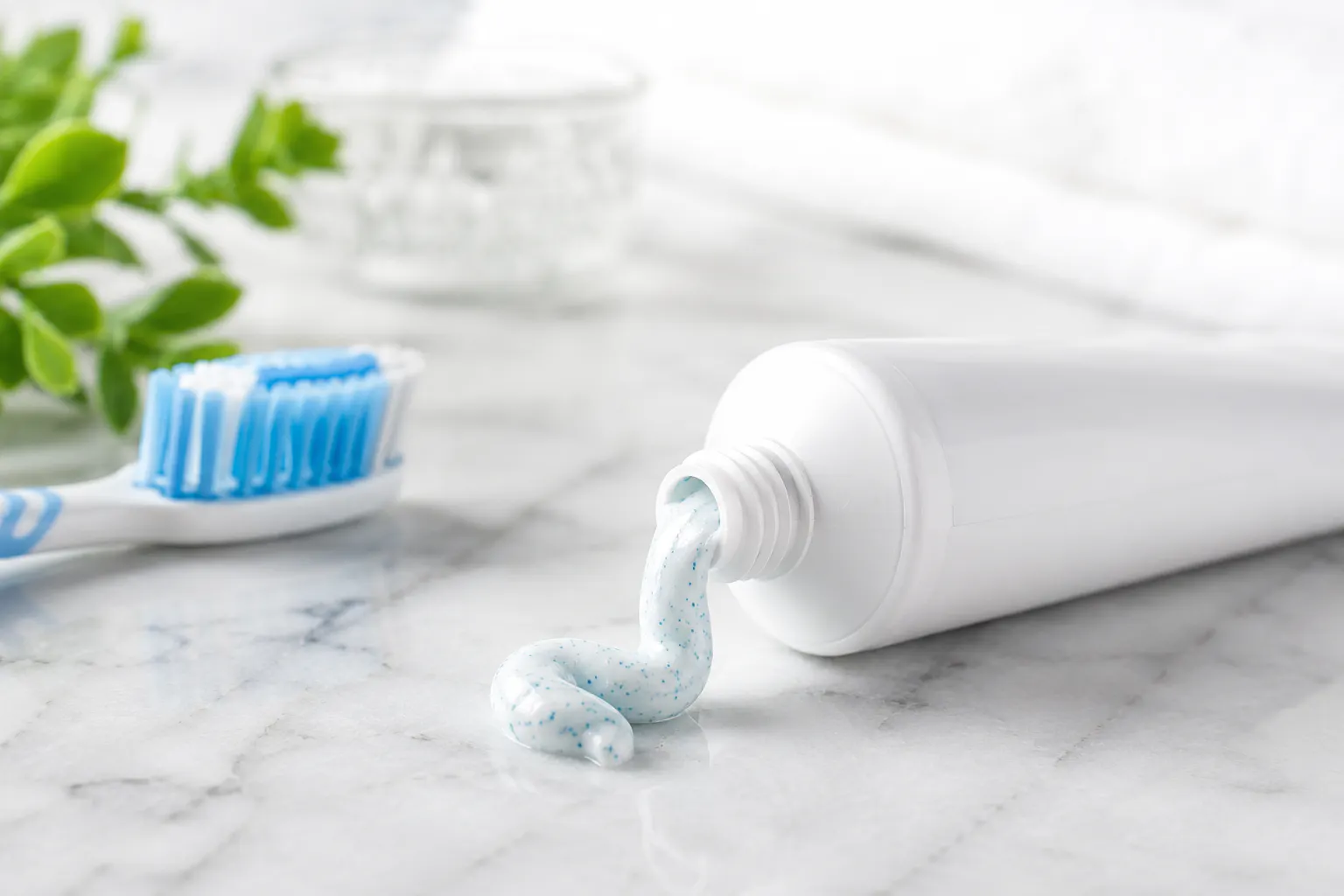
- Brush teeth twice a day with fluoride toothpaste
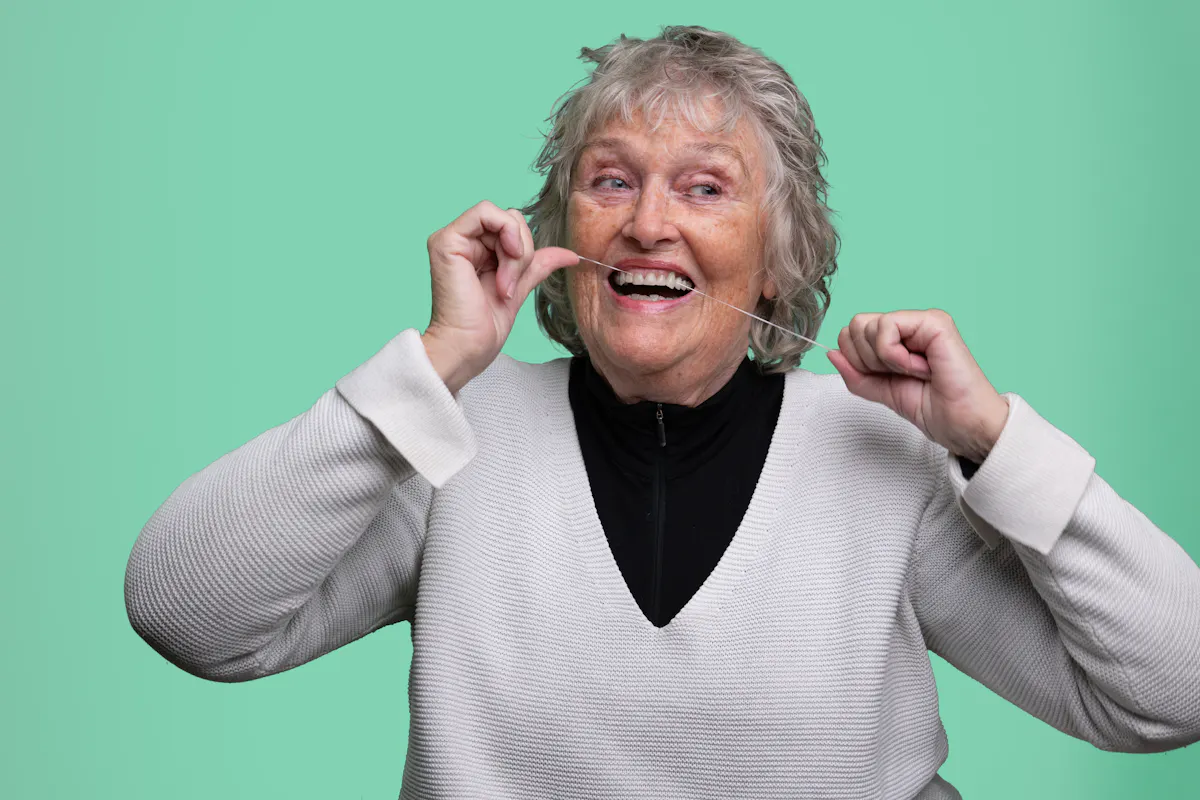
- Clean between teeth daily (floss or interdental brushes)
- Drink enough fluids
- Limit sugar and simple carbohydrates
- Visit your dentist regularly
Age-related changes in the mouth are a natural part of life—but they are not entirely unavoidable. With proper oral care, a healthy lifestyle, and regular check-ups, it is possible to maintain a strong and healthy mouth for many years.
A healthy mouth supports a healthy body. Take good care of your teeth so they can serve you for life.