What toothpaste should I use?
Jun 1, 2026
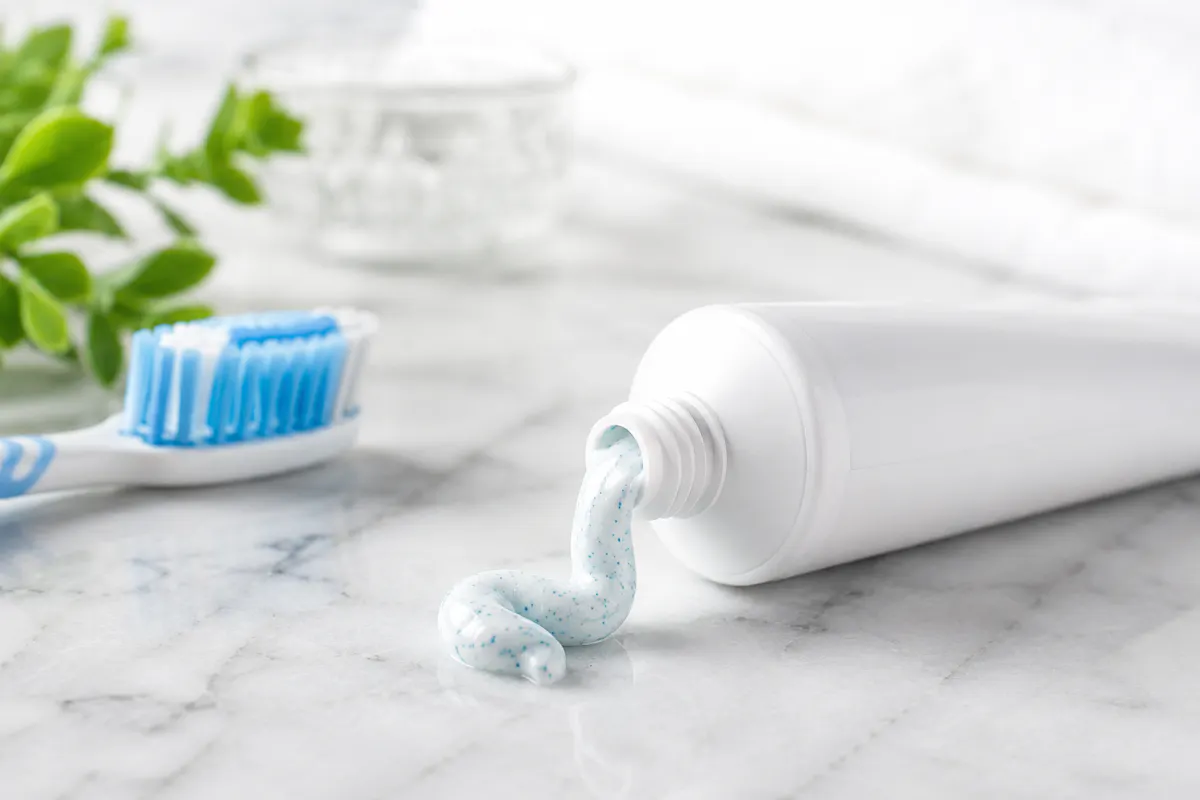
“What toothpaste is best to use?” is one of the most common questions dentists receive from their patients. There is no universal answer to this. Some people can use most regular toothpastes, while others need to be more careful in their choice so that the toothpaste does not cause unnecessary discomfort or harm, such as irritation, mouth ulcers, or enamel abrasion.
What is in the toothpaste tube?
Before answering the question of which toothpaste is suitable in different cases, let us look at what toothpaste contains. To achieve function, proper texture, and good taste, various ingredients are used that are common in most toothpastes. These include abrasives, detergents, humectants, binders, flavoring agents, preservatives, and colorants and sweeteners. In addition, most toothpastes contain fluoride to prevent tooth decay.
Abrasives in toothpaste are important for cleaning teeth, removing stains, and polishing the tooth surface. These abrasives can vary in coarseness, and if they are too abrasive they can damage the tooth surface and sometimes cause sensitivity. In general, toothpastes intended for sensitive teeth have a lower abrasivity than those designed for whitening or preventing tartar buildup.
Detergents in toothpastes help clean the teeth by loosening plaque from the tooth surface and reducing surface tension in the toothpaste, allowing it to spread better and foam in the mouth. One of the most common detergents is sodium lauryl sulfate, often abbreviated SLS. This substance can be irritating to the mucosa, and for those with sensitive oral tissue or prone to mouth ulcers, it is important to choose toothpaste without SLS.
Humectants in toothpastes are used to prevent them from drying out. They also increase sweetness and improve texture, as well as help prevent microbial contamination. Examples of humectants include glycerin, sorbitol, xylitol, isomalt, and erythritol.
Binders give toothpaste the property of becoming thinner during brushing, helping it spread throughout the mouth. They improve texture and brushing feel, as well as increase foaming. Binders also improve the stability of the toothpaste. Examples include various types of cellulose as well as carrageenan, xanthan gum, and polyacrylates.
Flavoring agents in toothpaste are used to make it taste better. Examples include peppermint, menthol, and spearmint, as well as vanilla, cinnamon, orange, peach, and other fruit flavors commonly found in children’s toothpaste.
Fluoride is by far the most important ingredient in toothpaste. With the introduction of fluoride toothpaste, tooth decay was significantly reduced. Fluoride remineralizes early lesions and reduces enamel demineralization, thereby lowering the risk of decay. Fluoride is used in several compounds in toothpaste, such as sodium fluoride (NaF), sodium monofluorophosphate (Na₂PO₃F), and stannous fluoride (SnF₂).
The most common fluoride concentration in toothpaste for adults is 1450 ppm, while 1000 ppm is the minimum required for effect. Toothpaste with three times more fluoride (5000 ppm) is available for individuals at high risk of decay, but it requires a prescription.
Some other substances may also be included in toothpaste, such as preservatives, colorants, and sweeteners.
Toothpastes can be classified into several categories based on their function:
Toothpastes that protect against tooth decay
All toothpastes containing fluoride. Fluoride prevents demineralization and promotes remineralization of the enamel surface, while also acting against decay-causing bacteria in the mouth.
Toothpastes containing nano-hydroxyapatite instead of fluoride. This substance does not prevent demineralization but helps with remineralization. It is not nearly as effective as fluoride in preventing tooth decay.
Toothpastes containing probiotics or beneficial bacteria. These aim to improve the oral bacterial flora and thereby reduce decay, but their effect is limited.
Toothpastes that help against gum inflammation
Active ingredients in these toothpastes may include zinc, stannous fluoride, triclosan, or chlorhexidine. These substances act against oral bacteria, reduce bacterial growth, and prevent plaque from adhering to tooth surfaces.
Toothpastes that reduce tartar
These toothpastes contain ingredients that reduce the formation of supragingival tartar. Active ingredients may include sodium or potassium pyrophosphates or other pyrophosphate compounds that inhibit the growth of apatite crystals on teeth. The effectiveness of these toothpastes is limited.
Whitening toothpastes
Most whitening toothpastes do not actually contain true whitening agents such as peroxide. Instead, they usually contain higher levels of abrasives intended to clean teeth more aggressively. Even if whitening agents are present, they are in contact with teeth only for a short time, so the effect is limited.
Black toothpastes, so-called charcoal toothpastes, have become popular as whitening products. Like many in this category, they are highly abrasive and can damage enamel. They may also leave stains in cracks and along filling margins that are difficult to remove.
Toothpaste for sensitive teeth
This is one of the most commonly recommended categories by dentists, as they are often very effective against sensitivity, especially along the gumline. Potassium nitrate reduces nerve sensitivity, and other ingredients block exposed dentin tubules, preventing stimuli from reaching the nerve. These toothpastes are usually low in abrasivity and therefore gentle on enamel.
Other toothpastes
Other types include children’s toothpaste with lower fluoride content, vegan toothpaste, dry-mouth toothpaste with lubricating properties, and non-abrasive toothpaste for people with very sensitive mucosa.
So which toothpaste do dentists recommend?
Dentists always recommend choosing a toothpaste that contains fluoride. For adults with normal risk, a concentration of 1000–1450 ppm (parts per million) is appropriate. For increased risk of decay, such as dry mouth or special conditions like orthodontic treatment, radiotherapy, or elderly patients, we recommend extra-high fluoride toothpaste available by prescription.
Toothpaste should not be so abrasive that it damages enamel. Therefore, we do not recommend whitening toothpastes or those with special cleaning claims unless temporarily used when stains cannot be removed with regular toothpaste.
For those with significant sensitivity, especially from exposed root surfaces, we recommend toothpastes for sensitive teeth. In our clinic we have specifically recommended Zendium Sensitive, which provides strong protection against sensitivity, has low abrasivity, and is SLS-free.
For individuals who frequently experience mouth ulcers or other mucosal issues, we advise avoiding toothpastes containing sodium lauryl sulfate (SLS). Some individuals appear to be sensitive to this surfactant.
Toothpastes intended for gum inflammation contain ingredients that affect not only harmful bacteria but also the normal oral flora. We only recommend such toothpastes for short-term use and in specific situations.
New toothpastes are constantly entering the market claiming various benefits, and choosing between them can be difficult without deeper knowledge of their function. In general, it is best to choose toothpaste containing fluoride, not too abrasive, and for many people, SLS-free products may be beneficial. However, ultimately, the most important factor is thorough brushing, regardless of the toothpaste used. We recommend brushing twice daily and using floss and/or interdental brushes once a day. To maximize fluoride effectiveness, we recommend spitting out the toothpaste but not rinsing.