Do Wisdom Teeth Always Need to Be Removed?
Jul 14, 2026

Wisdom teeth are the last molars in each quarter of the mouth. They usually emerge last, often between the ages of 17–25. For some people, they appear later, partially erupt, or never fully emerge into the mouth.
Many people wonder whether wisdom teeth should always be removed. Some have heard that it is best to remove them as early as possible, before they cause problems. Others have had wisdom teeth for many years without symptoms and do not understand why they should be removed.
The answer is not the same for everyone.
Wisdom teeth do not always need to be removed. Some wisdom teeth can remain present throughout life without causing problems. Others, however, can cause gum inflammation, tooth decay, infections, gum problems, or damage to the molar in front of them. Therefore, each wisdom tooth needs to be assessed individually.
Why Do Wisdom Teeth Often Cause Problems?
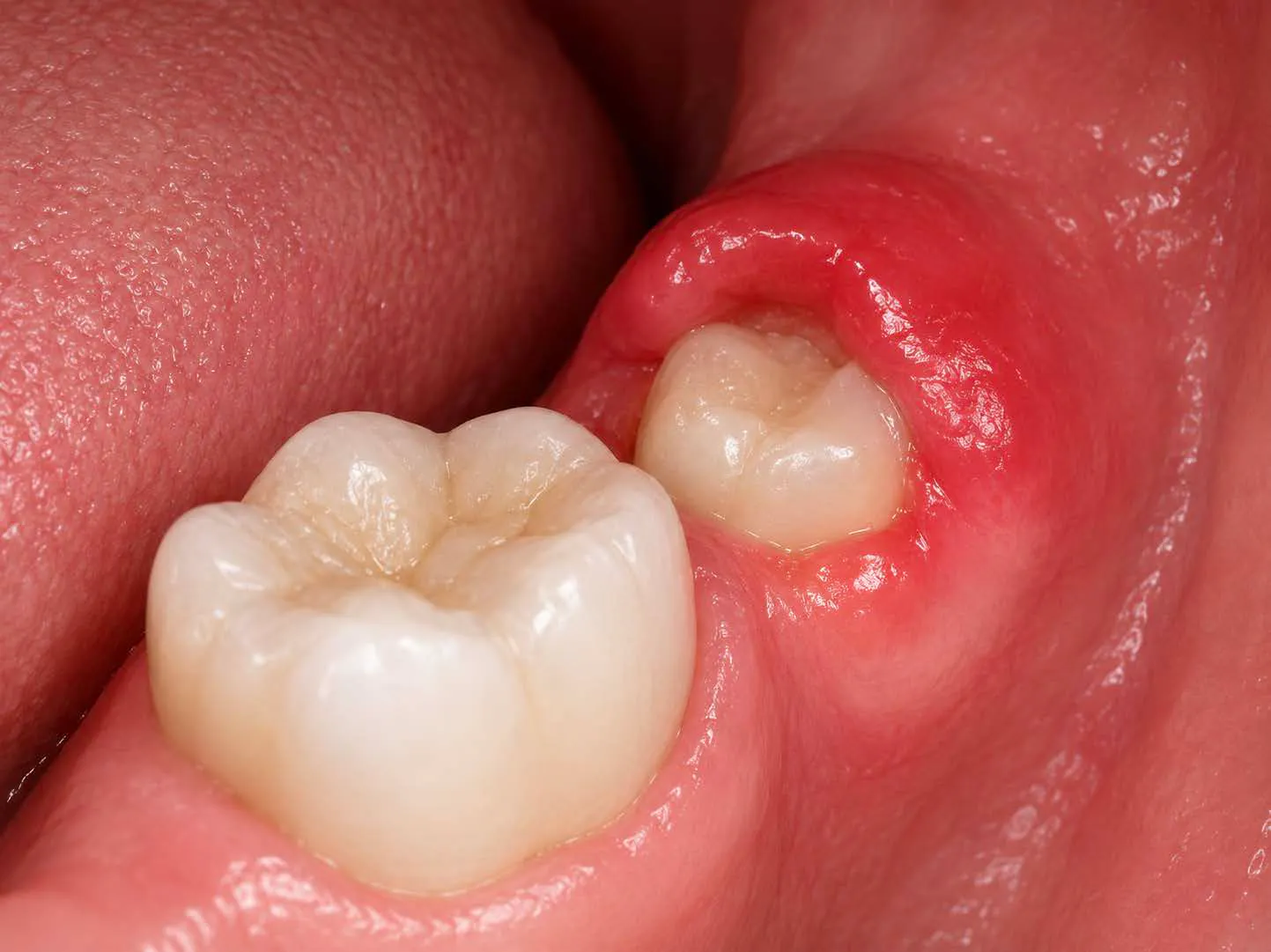
Wisdom teeth are the last teeth to emerge into the mouth, and often there simply is not enough space for them. As a result, they may erupt at an angle, partially emerge, or remain trapped beneath the gum tissue and bone.
When a wisdom tooth only partially emerges into the mouth, a pocket can form beneath the gum where it is difficult to clean. Bacteria and food debris can easily collect there. This can cause inflammation around the wisdom tooth, pain, a bad taste, unpleasant odour, and sometimes infection.
Sometimes the wisdom tooth itself is not the biggest problem, but rather the molar in front of it. If a wisdom tooth is positioned at an angle against the neighbouring molar, the area between the teeth can become very difficult to clean. This can result in tooth decay on the back surface of the front molar or a gum pocket that is difficult to treat.
When Does a Wisdom Tooth Need to Be Removed?
It is often recommended to remove a wisdom tooth if it has started causing problems or if it is likely to cause damage in the future.
This may include situations where:
- the wisdom tooth causes repeated inflammation or infections
- pain regularly occurs from the area
- tooth decay has developed in the wisdom tooth
- tooth decay has developed on the back of the molar in front
- it is difficult or impossible to clean the area properly
- a gum pocket develops behind the neighbouring molar
- an X-ray shows a cyst or another pathological change around the tooth
- the wisdom tooth causes pressure, damage, or root resorption of the neighbouring tooth
- the tooth is positioned in a way that makes future problems likely
In these situations, the wisdom tooth is not being removed simply because it is a wisdom tooth. It is removed because it has started causing damage or because the likelihood of damage is greater than the risks associated with wisdom tooth removal.
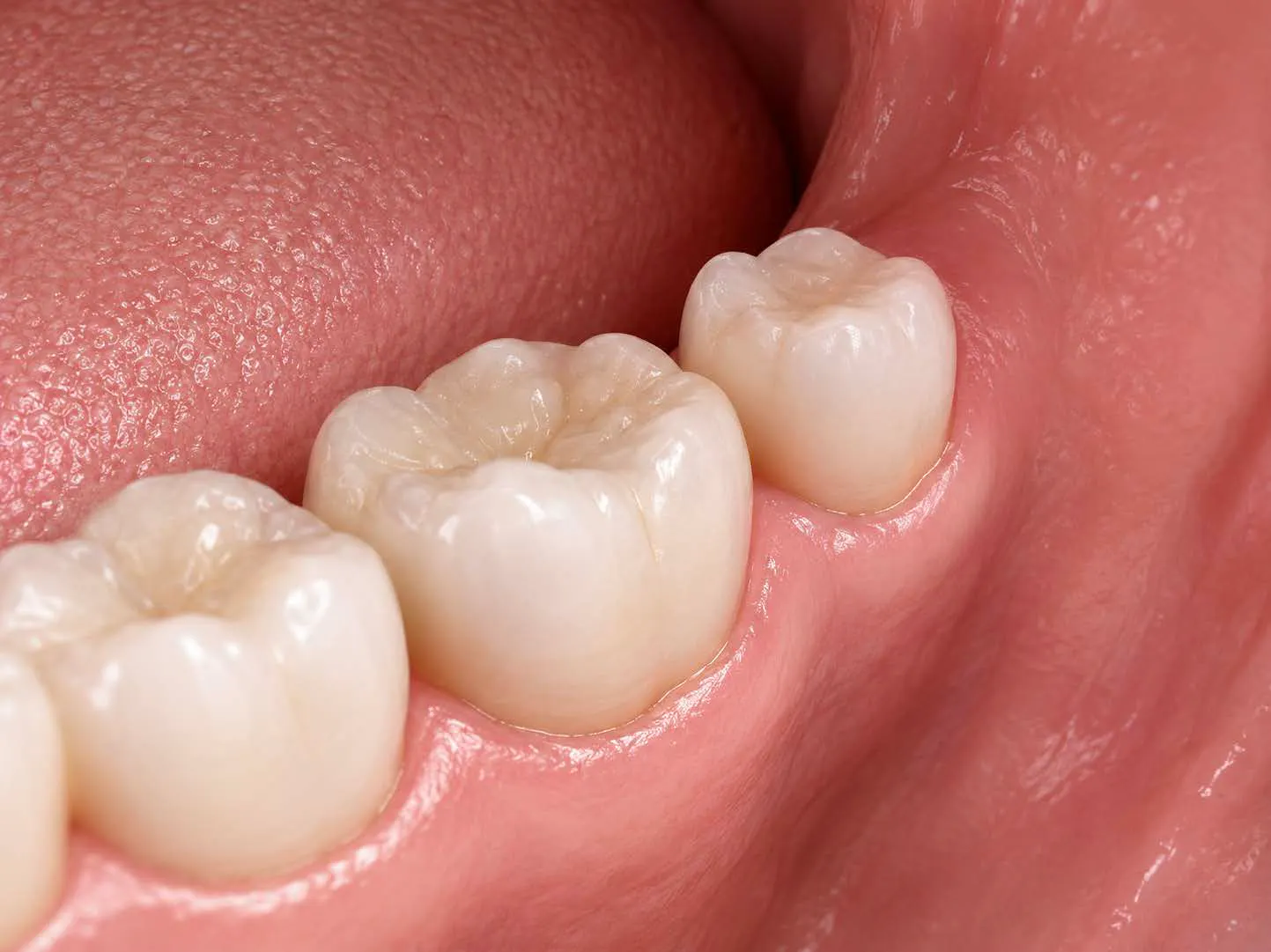
When Can a Wisdom Tooth Remain in the Mouth?
A wisdom tooth does not necessarily need to be removed if it is healthy, has erupted normally, contributes to the bite, and can be kept clean.
It is often possible to monitor a wisdom tooth if:
- it has no symptoms
- it has fully erupted into the mouth
- it is in a good position
- it can be brushed and cleaned around properly
- there is no tooth decay in the wisdom tooth or the neighbouring molar
- the surrounding gums are healthy
- X-rays show no signs of pathological changes
In these situations, it may be more appropriate to monitor the tooth regularly rather than remove it.
Being Symptom-Free Does Not Always Mean Problem-Free
Wisdom teeth can be difficult to assess because they can remain symptom-free for a long time, even though problems may already have started developing. Tooth decay behind another molar, changes in the bone, or gum pockets may be present without the patient noticing much at first.
Therefore, it is important to assess wisdom teeth not only based on pain. Dental X-rays play an important role. They show the position of the tooth, whether it is positioned against the neighbouring molar, whether decay or bone changes are present, and whether the roots are close to the nerve in the lower jaw.
Young People and Wisdom Teeth
In young people, it is common for wisdom teeth to be assessed while they are developing or beginning to erupt. At that stage, it is possible to determine whether they are likely to emerge normally into the mouth or whether they will become impacted, angled, or partially erupted.
Sometimes it is sensible to remove wisdom teeth at a younger age, before they cause significant problems. The procedure can be simpler when the roots have not become very long and the bone is not as dense. Healing is also often better in younger people.
However, this does not mean that all young individuals should have all wisdom teeth removed. If wisdom teeth are in a good position and are likely to erupt normally, it may be appropriate to wait and monitor them.
Older Individuals and Wisdom Teeth
Some people have had wisdom teeth for many years or decades without experiencing any problems. This naturally raises the question:
“Why should a tooth that has never caused problems be removed?”
Often, the answer is that there is no need to do so.
However, circumstances can sometimes change with age. Gums may recede, cleaning can become more difficult, dry mouth can increase the risk of tooth decay, and older fillings or crowns on neighbouring teeth can make the area more vulnerable. A wisdom tooth that has remained quiet for a long time may therefore later begin to cause tooth decay, inflammation, or infection.
On the other hand, procedures involving wisdom teeth can become more complicated with age. Roots are fully developed, the bone may become denser, and sometimes the roots are located close to the nerve in the lower jaw. General health factors and medication use may also affect the risks associated with the procedure.
Therefore, the decision in older patients is highly individual. Sometimes it is best to remove the wisdom tooth. Sometimes it is best to leave it in place and monitor it carefully.
What Symptoms Can Indicate Problems?
It is advisable to see a dentist if you experience:
- pain at the back of the mouth
- swelling or tenderness of the gum tissue around a wisdom tooth
- a bad taste or unpleasant smell from the area
- difficulty opening the mouth
- swelling in the cheek or jaw
- pain when swallowing
- repeated discomfort in the same area
- food that repeatedly becomes trapped behind the last molar
Sometimes symptoms occur in episodes. They may improve temporarily but then return. Repeated inflammation around a partially erupted wisdom tooth is one of the most common reasons why wisdom tooth removal is recommended.
Is There a Risk of Complications When Removing Wisdom Teeth?
Yes. As with all surgical procedures, there are certain risks. The most common experiences are pain, swelling, and tenderness during the first few days after the procedure.
Some people develop what is known as dry socket, where the blood clot in the wound breaks down and pain becomes more severe several days after the procedure.
Infection, bleeding, and reduced ability to open the mouth can also occur.
For wisdom teeth in the lower jaw, it is particularly important to assess the position of the roots in relation to the nerve that provides sensation to the lower lip and chin. If the wisdom tooth is located very close to the nerve, a more detailed assessment may be required and sometimes 3D dental imaging (CBCT) is needed.
This is one reason why it is not appropriate to automatically remove all wisdom teeth. The benefits of the procedure must outweigh the risks.
How Is the Decision Made?
The decision is based on a combination of many factors:
- the patient’s age
- symptoms
- the position of the wisdom tooth
- whether the tooth has erupted or is impacted
- whether it can be kept clean
- the condition of the molar in front
- the condition of the gums and bone around the tooth
- X-rays
- general health and medication use
- the risks associated with the procedure
- the likelihood of future problems
A good rule is not only to ask:
“Is my wisdom tooth hurting me right now?”
but also:
“Is it likely to cause damage later, or is it healthy and easy to monitor?”
Conclusion
Wisdom teeth do not always need to be removed.
A healthy wisdom tooth that has erupted properly, is in a good position, is easy to clean, and is not causing any damage can often remain in place.
A wisdom tooth that is partially erupted, positioned incorrectly, causes repeated inflammation, or creates a risk of damage to the neighbouring molar is often better removed.
The most important thing is to assess each individual and each tooth separately. Through examination and dental X-rays, it is often possible to determine whether the best option is to remove the wisdom tooth or continue monitoring it.
Wisdom teeth are therefore not removed simply because they are wisdom teeth. They are removed when they have started causing problems or when it is likely that they will cause more harm by remaining than by being removed.
References
- Ghaeminia H, Perry J, Nienhuijs MEL, Toedtling V, Tummers M, Hoppenreijs TJM, Van der Sanden WJM, Mettes TG. Surgical removal versus retention for the management of asymptomatic disease-free impacted wisdom teeth. Cochrane Database of Systematic Reviews. 2020.
- National Institute for Health and Care Excellence. Guidance on the extraction of wisdom teeth. Technology appraisal guidance TA1.
- American Association of Oral and Maxillofacial Surgeons. Management of Third Molar Teeth. White Paper. 2024.
- Faculty of Dental Surgery, Royal College of Surgeons of England. Parameters of care for patients undergoing mandibular third molar surgery. 2020/2021.
- Vandeplas C, Vranckx M, Hekner D, Politis C, Jacobs R. Does retaining third molars result in the development of pathology over time? A systematic review. Journal of Oral and Maxillofacial Surgery. 2020;78(11):1892–1908.
- Current Care Guidelines. Third molar. Finnish Medical Society Duodecim.